The Pour-Over Negation: Stop These 3 Habits to Save Your Morning Brew
The Power of What You Leave Out
We often approach Culinary Arts with an additive mindset. We want the newest gadget, the hottest technique, or the most complex recipe to achieve perfection. However, true kitchen skill often comes down to restraint. When it comes to Pour-Over Coffee, the path to a cleaner, sweeter cup isn't found in adding more complexity, but in identifying the variables that are actively working against your palate. By stripping away these common misconceptions, we respect the Coffee Bean and let its inherent quality shine through.
Abandon the Boiling Point Obsession
For years, a prevailing myth suggested that ultra-light roasts require Boiling Water to maximize extraction. While heat does increase energy and extraction, it doesn't discriminate between the flavors you want and the ones you don't. Pushing water to 100°C often coaxes out harsh, roasty, and bitter compounds that mask the delicate acidity of a high-quality Kenya Coffee.
I recommend a ceiling of 93°C for your lightest roasts. As you move into medium or darker territory, drop your temperature even further, perhaps below 90°C. This preserves the sweetness and "smoothness" of the brew. Remember, extraction is a spectrum, and the goal isn't the highest number—it is the most palatable result.
The Trap of Excessive Agitation
There is a viral fascination with high-frequency pouring methods, such as the 4:6 Method popularized by Tetsu Kasuya. While these methods are fascinating in a competition setting, they are often a nightmare for the home brewer using a standard Coffee Grinder.
Every time you pour, you rejuvenate the coffee bed, causing particles to move and fines to potentially clog your Filter Paper. This leads to a muddy, astringent cup that feels like "sandpaper on the tongue." If you struggle with consistency, simplify. A two-pour method with a longer bloom often produces a more "tea-like" clarity. You don't need five pours to get a great cup; you need controlled contact time.
Resisting the New Equipment FOMO
In the world of specialty coffee, new drippers launch weekly, each promising a "revolutionary" flow rate. Stop switching your brewer daily. Whether you use a V60, a Flat Bottom Brewer, or an AeroPress, the key is intimacy with your equipment.
Mastering one tool allows you to understand how subtle shifts in ratio or temperature change the flavor profile. If you are constantly changing the hardware, you lose your baseline. Choose a reliable dripper and stick with it until you can manipulate it to produce any flavor profile you desire. Professionalism in the kitchen comes from technique, not just the tools in the drawer.
Decoupling Success from the Stopwatch
Finally, stop obsessing over total brew time as a rigid metric of quality. Your grinder's specific burr set and the coffee's density will dictate the draw-down. A four-minute brew on your neighbor's setup might be over-extracted, while on yours, it might be the sweet spot. Use your taste buds, not a clock, as the final judge. If it tastes vibrant and clean, the time was perfect.
Respect the ingredient. Refine your technique. The best cup of coffee is the one that tastes like the fruit it came from, not the labor you put into it.
- 4:6 Method
- 7%· products
- AeroPress
- 7%· products
- Boiling Water
- 7%· products
- Cafe Deep 27
- 7%· products
- Coffee Bean
- 7%· products
- Other topics
- 64%
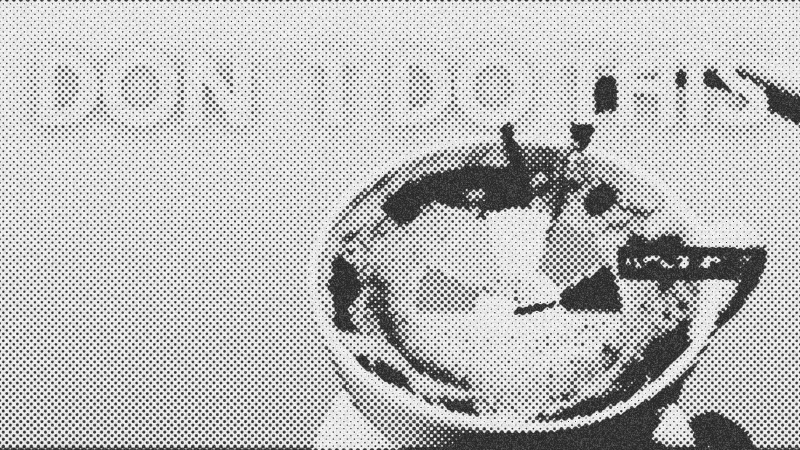
Don’t Do These 3 Things When Brewing Pour-Over
WatchLance Hedrick // 19:36

What's up, everyone! Lance Hedrick here. Coffee Pro of a decade, coach two 2x World Barista Champion runner-ups, past Latte Art Champion, academic in remission, and extremely neurodivergent weirdo. I teach all interested in coffee everything about coffee, from coffee science, theories, brew methods, machine reviews, and more. And, I am a weirdo. I have a patreon listed below. I hope to purchase all products shown on this channel and subsequently giving them away to supporters. Cheers!