Lance Hedrick finds 750 microns offers superior vibrance in filter coffee experiment
The Precision of Particle Size in Extraction
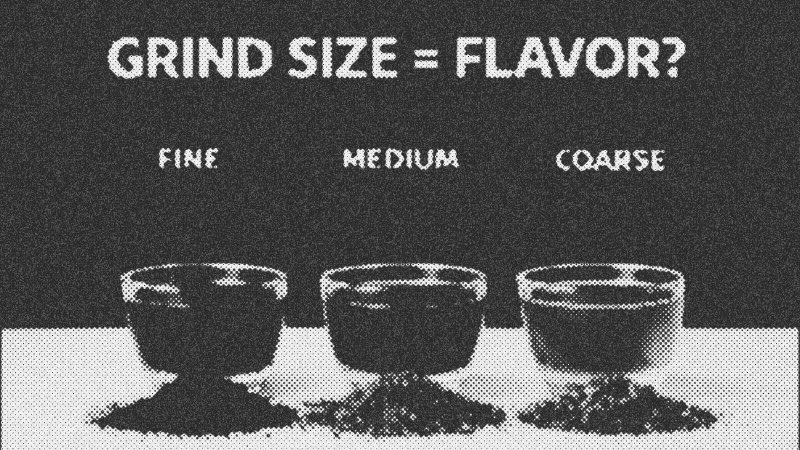
In the pursuit of the perfect cup, enthusiasts often obsess over water temperature or pour technique. However, Lance Hedrick demonstrates that the physical geometry of the coffee bed—dictated by grind size—remains one of the most volatile and influential levers available to the home brewer. By isolating grind size as the sole variable across five separate brews, Hedrick reveals how minute adjustments of just 50 microns can fundamentally shift the chemical profile of a final beverage.
Quantifying the Micron Shift
Using the Zerno Z1 grinder, the experiment spanned a range from 750 down to 550 microns. The data suggests a non-linear relationship between grind size and extraction. While the total dissolved solids (TDS) climbed steadily from 1.37% at 750 microns to 1.53% at 550 microns, the sensory experience didn't improve with higher concentrations. Instead, Hedrick noted a significant "jump" in perceived bitterness once extraction yields crossed the 21% threshold. The finer grinds resulted in longer contact times, which objectively mutes volatile aromas as they evaporate before the coffee reaches the cup.
The Sensory Trade-off
During a blind tasting, the 750-micron brew emerged as the clear favorite, praised for its juiciness and vibrancy. This aligns with scientific theories regarding organic compounds; early-stage extraction favors positive aromatics like rose and cotton candy. As the grind tightens, these delicate notes are not lost but rather overwhelmed by negative compounds that introduce leathery and rubbery flavors. Interestingly, Hedrick notes that while temperature shifts create more immediate bitterness, grind size changes tend to impact the clarity and "vibrancy" of the coffee more significantly through contact time.
Practical Implications for Home Brewers
Hedrick advocates for a "go coarser" philosophy, suggesting that many home brewers inadvertently push extraction into a muted, bitter territory. By increasing particle size, one can often reclaim the nuanced acidity and floral notes that high-temperature, fine-grind recipes tend to obscure. The takeaway is clear: precision in grinding isn't just about consistency; it's about staying within the extraction window where positive flavor compounds dominate.
- Lance Hedrick
- 20%· people
- Monarch
- 20%· companies
- Monarch Money
- 20%· products
- Samos Smrke
- 20%· people
- Zerno Z1
- 20%· products
Your Grind Size Might Be Ruining Your Coffee
WatchLance Hedrick // 13:24

What's up, everyone! Lance Hedrick here. Coffee Pro of a decade, coach two 2x World Barista Champion runner-ups, past Latte Art Champion, academic in remission, and extremely neurodivergent weirdo. I teach all interested in coffee everything about coffee, from coffee science, theories, brew methods, machine reviews, and more. And, I am a weirdo. I have a patreon listed below. I hope to purchase all products shown on this channel and subsequently giving them away to supporters. Cheers!