The Soul of Speed: Evaluating China’s Fast Food Landscape
The Great Culinary Divergence
When we discuss fast food, Westerners often default to the imagery of golden arches and Colonel Sanders. However, the gastronomical reality in China reveals a complex ecosystem where global giants must reinvent themselves to survive, and local artisans define efficiency through ancient techniques. This evaluation examines how KFC and McDonald's adapt to the Chinese palate, while local heroes like Jyu Ywen Noodle Shop and Tastien challenge the very definition of a "quick meal."
Western Icons Reimagined
KFC reigns supreme as the most popular chain in the region, yet its offerings bear little resemblance to its American counterpart. The Beijing Style Fried Chicken Wrap exemplifies this evolution, utilizing a hoisin-based Peking duck sauce and fresh cucumbers to transform a standard chicken tender into a celebratory nod to heritage. While the base fried chicken suffers from inconsistent breading, the bold umami profile and localized exclusives demonstrate a respect for regional flavors.
McDonald's displays similar agility. The Chinese menu embraces heat, offering a Crispy Chicken Sandwich that provides genuine capsaicin-driven spice—a brave departure from the sanitized heat levels found in US markets. The addition of the Taro Pie provides a masterclass in texture, even if the sweetness remains characteristically muted compared to the heavy-handed sugar standards of the West.
The Supremacy of the Noodle
The most profound realization in this culinary audit occurs at Jyu Ywen Noodle Shop. This mom-and-pop institution outpaces multi-billion dollar corporations by relying on an assembly-line method of fresh preparation. Their Chongqing Small Noodles are boiled to order and combined with lard, chili oil, and pickled vegetables in under five minutes. The result is a bowl of high-quality, springy noodles that cost less than two dollars. It proves that "fast" food doesn't require industrial processing; it requires a perfected system of traditional assembly.
Innovation and Experimental Failures
Innovation often leads to polarizing results. Domino's Pizza pushes boundaries with the Shrimp and Pineapple Pizza, featuring a custard-like sauce that blurs the line between savory entree and dessert. While the Beef Wellington Pizza offers a fascinating use of puff pastry and lardons, the high price point and 20-minute wait time violate the core tenets of the fast-food category. Similarly, Dico's and Wallace struggle to balance convenience with quality, often falling into the "vanilla" trap of under-seasoned proteins and lackluster breading.
The Final Verdict
China’s fast-food identity is a spectrum ranging from global adaptation to local traditionalism. Mr. Rice offers a commendable healthy alternative, utilizing a weight-based buffet system that prioritizes fresh vegetables and smoked meats. However, the crown belongs to Jyu Ywen Noodle Shop. It achieves a rare trifecta: unmatched speed, incredible value, and restaurant-grade flavor. For those seeking the pinnacle of quick-service dining, look away from the neon logos of the West and toward the steam rising from a local noodle cauldron. This is where respect for the ingredient meets the urgency of the modern diner.
- Jyu Ywen Noodle Shop
- 12%· companies
- KFC
- 8%· companies
- McDonald's
- 8%· companies
- Beef Wellington Pizza
- 4%· products
- Beijing Style Fried Chicken Wrap
- 4%· products
- Other topics
- 64%
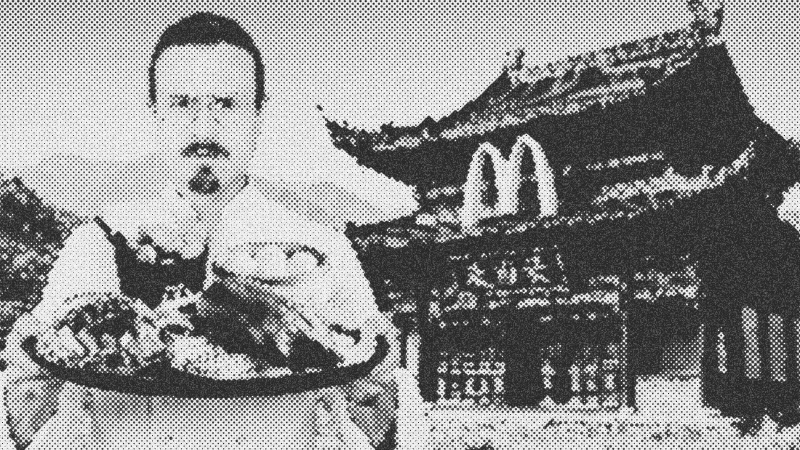
I Tried Every Fast Food in China
WatchJoshua Weissman // 24:19

Hi, I'm Josh and I make entertaining, exciting, and inspirational videos about food and cooking. I'm obsessive about bread, and I like to eat things that have a large quantity of butter in them. All I want is to entertain and excite YOU about food, and maybe inspire you to go cook something yourself. Find me on: https://instagram.com/joshuaweissman https://twitter.com/therealweissman https://facebook.com/thejoshuaweissman https://joshuaweissman.com For any Business, brand or partnership enquiries Email: [email protected]