Sarah McLachlan reveals the radical defiance behind Lilith Fair
The Quiet Revolution of a Canadian Icon
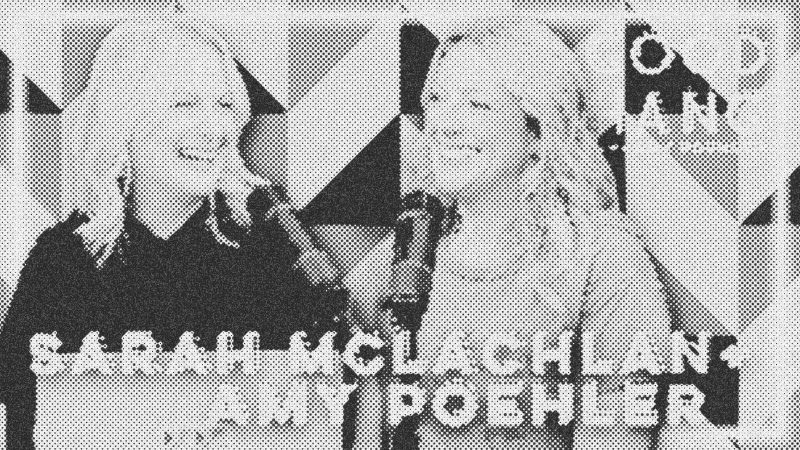
When we look back at the late 90s, we often see a caricature of flower crowns and acoustic guitars. But beneath the surface of Sarah McLachlan’s ethereal vocals lay a sharp, strategic defiance. In a conversation that cuts through the nostalgia, Amy Poehler and McLachlan dissect the formation of Lilith Fair, a festival that was less about ‘girl power’ branding and more about dismantling a rigid, male-dominated infrastructure that insisted women were a niche market rather than a powerhouse demographic.
McLachlan’s journey from a bullied seventh-grader in Canada to a global hitmaker is a study in the ‘gentle [__] you’ to industry norms. Growing up in a culture where modesty was a mandate and Irish parents warned against ‘falling in love with yourself,’ McLachlan developed a groundedness that served as armor against the predatory and dismissive nature of the record industry. Her success wasn't just about hit singles; it was about proving that the industry’s fundamental assumptions about female artists and their audiences were objectively wrong.
Challenging the Industry Myth of the Solo Female Artist
The genesis of Lilith Fair was born from a very specific frustration: the ‘rule’ that radio stations and festival promoters could not feature two women back-to-back. This arbitrary constraint was presented as a law of nature rather than a marketing preference. Sheryl Crow joins the discussion to recount how agents would routinely claim men wouldn’t buy tickets to see multiple women on a bill.
The Anatomy of Defiance
McLachlan describes the festival as a ‘quiet radical movement.’ It wasn't intended as a political manifesto, but it became one the moment promoters told her it would fail. By taking the financial risk herself—rejecting the safety of guarantees for the freedom of control—McLachlan bypassed the gatekeepers who viewed female collaboration as a commercial liability. The result was a $7 million windfall for local and national charities and a definitive proof-of-concept that changed the touring landscape forever.
Overcoming Internalized Misogyny
One of the most poignant moments in the analysis involves Anne Powers, a critic who famously ridiculed the festival in its heyday. Looking back, McLachlan and Poehler discuss how even female journalists in the 90s were often forced to distance themselves from ‘women’s interests’ to maintain status in male-dominated newsrooms. This internalized misogyny meant that Lilith Fair was frequently attacked not for its music, but for its earnestness and its refusal to perform for the male gaze.
Behind the Scenes of a Musical Utopian Experiment
Lilith Fair was structured as a matriarchal workspace. McLachlan insisted on providing health insurance for the crew—a rarity in the 90s tour circuit—and fostered an environment where artists brought their children. This wasn't just for comfort; it was an organizational shift that prioritized longevity and community over the standard ‘road warrior’ burnout model.
The Social Dynamics of Introverts and Icons
Despite the public image of a massive party, many of the festival's heavy hitters were profound introverts. McLachlan recalls the shy, graceful presence of Tracy Chapman and the otherworldly power of Sinead O'Connor. The Indigo Girls served as the social anchor, teaching the ‘shy Canadian’ McLachlan how to actually ask people to sing with her. This cross-pollination of genres—bringing Missy Elliott and Erykah Badu into the fold—was a deliberate attempt to broaden the definition of ‘female music’ and reach beyond the ‘white girl folk fest’ label that critics used to minimize the event.
The Burden of Leadership
While the other artists enjoyed the camaraderie, McLachlan functioned as both the face of the movement and the de facto HR department. Managing egos, logistical fires, and a relentless press corps that asked why she ‘hated men’ took an emotional toll. Yet, she maintained a ‘Julie the cruise director’ persona to ensure the hospitality and ethos of the festival remained intact. This labor-intensive approach to leadership is what allowed the festival to survive three years of scrutiny and mockery.
Parenting in the Shadow of Performance
In a shift from the professional to the personal, McLachlan opens up about the friction of raising daughters while being a global icon. She admits to being a ‘hard ass’ mother, ironically echoing the parenting style of her own mother despite her best efforts to be the opposite. The realization that her daughter's ‘rages’ were actually undiagnosed anxiety led to a total overhaul of their communication through family systems counseling.
The Full Circle Moment
The culmination of this personal work is reflected in McLachlan’s latest music. Having her daughters sing on the track ‘One in a Long Line’ represents a bridge between generations. In an era where McLachlan sees the erosion of women’s rights worldwide, she views her music as a vehicle for the expression she was once too afraid to voice. Recording her daughter’s vocals on an iPhone in a bedroom is a stark contrast to the plush blue velvet tour buses of her youth, yet it carries more weight for her than any studio session.
The Lasting Legacy of the Lilith Era
The impact of Sarah McLachlan extends beyond the $30 million she raised for the SPCA with ‘Angel’ or the Grammy awards on her shelf. She created a template for modern female festivals and the collaborative nature of today’s pop stars. From Phoebe Bridgers to Boygenius, the ‘powerhouse trio’ and all-female bills of the 2020s are the direct descendants of McLachlan’s 1997 gamble.
McLachlan remains a proponent of the ‘failing forward’ philosophy. Whether it’s adjusting the diversity of a festival lineup or taking humble pie in her parenting, she demonstrates that growth requires a willingness to be wrong. As she moves into her next chapter—one involving red light therapy, skate skiing in the Canadian wilderness, and more vocal political stances—she remains a mirror to the anxieties and aspirations of a generation of women who were told they couldn't stand together, only to find they were stronger for it.
- Lilith Fair
- 17%· tv shows
- Sarah McLachlan
- 9%· people
- Amy Poehler
- 4%· people
- Anne Powers
- 4%· people
- Apple
- 4%· companies
- Other topics
- 61%
Sarah McLachlan | Good Hang with Amy Poehler
WatchGood Hang with Amy Poehler // 1:01:13

Come hang with Amy Poehler. Each week on her podcast, she'll welcome celebrities and fun people to her studio. They'll share stories about their careers, mutual friends, shared enthusiasms, and most importantly, what's been making them laugh. This podcast is not about trying to make you better or giving advice. Amy just wants to have a good time.