Loader warns blaming bad drivers blocks real road safety progress
When you push your limits on a bike, you expect a battle against gravity, wind, and your own lungs. You do not expect a battle for your life against a two-ton metal box. Yet, the statistics tell a grim story. A recent investigation by the Global Cycling Network sheds light on why road violence goes unpunished. Since cars took over our streets, between 60 and 80 million people have died in road collisions. For outdoor athletes and daily commuters alike, the tarmac is a hostile arena. We want swift justice when tragedy strikes. We scream for blood when a distracted driver kills a cyclist. But our obsession with punishing the individual misses the entire point.
The Legal Trap of Intention and Outcome
The legal system cannot handle road violence because of its own design. UK legal expert Sally Kyd points out a stark truth: the law splits crimes into two pillars. You need the physical act (actus reus) and the guilty mind (mens rea). When a driver kills someone, proving they held the steering wheel is simple. Proving they intended to kill is nearly impossible.
Most road deaths stem from split-second errors, a moment of distraction, or poor judgment. It is down to pure luck whether a mistake leads to a minor scare or a fatal crash. Because of this, courts struggle to hand down massive sentences. Sally Kyd notes that UK sentences for death by dangerous driving now match manslaughter. Yet, the public still feels the punishments fail to fit the catastrophic consequences.
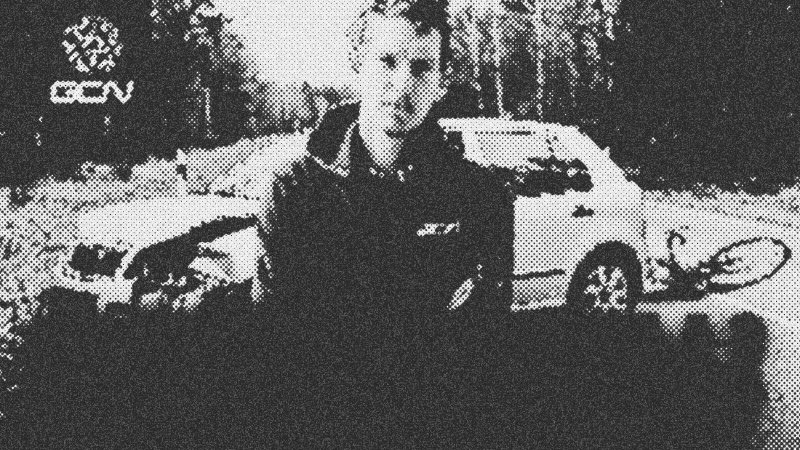
Why the Justice System Fails to Protect
Criminologist Ian Loader of Oxford University studies why our courts treat drivers with kid gloves. The system treats criminals as a distinct, malicious minority. Jurors look at a bank robber and see a villain. They look at a driver who drifted over the white line and think, "That could be me."
Driving is deeply baked into daily life. We normalize the immense risk of operating heavy machinery at high speeds. The justice system operates on this exact bias. It views motorists as normal citizens who made a fateful mistake, rather than criminals. This mindset breeds leniency. It also keeps us locked in a cycle of avoidable deaths.
Stop Blaming Individuals to Build Safer Systems
We need to copy the aviation industry. When a plane crashes, investigators do not just blame the pilot and move on. They rebuild the system so that mistake never happens again.
On our roads, we do the exact opposite. We hunt for a scapegoat, throw them in prison, and leave the deadly junction exactly as it was. Ian Loader argues that focusing on the "bad driver" is a comforting lie. It lets the rest of us pretend our daily driving is safe. It is not.
Take the notorious Plain roundabout in Oxford. A cyclist died there, crushed by a truck. The driver was prosecuted, but the junction remained a chaotic nightmare. Redesign is the actual cure. The Dutch have a simple rule: if people are speeding, you designed the road poorly. We must build Dutch roundabouts and physical barriers that protect cyclists. We must also use technology. In the 1920s, speed governors existed to cap vehicle speeds. The motor lobby killed them. Today, we limit public rental scooters, yet we let private SUVs travel at lethal speeds.
The Path to True Road Protection
Demanding harsher prison sentences will not save lives. Criminology proves that severity of punishment does not deter crime; only the certainty of getting caught does. We must swap the useless thirst for retribution with hard, systemic actions.
This means automatic license revocation for repeat offenders. It means forcing vehicle adaptations and reducing traffic volumes. The roads should be a place of challenge and adventure, not a slaughterhouse. If we want to protect vulnerable road users, we must stop playing the blame game and start redesigning our world.
- Ian Loader
- 40%· people
- Global Cycling Network
- 20%· companies
- Oxford
- 20%· locations
- Sally Kyd
- 20%· people
Why Aren't Dangerous Drivers Punished?
WatchGlobal Cycling Network // 26:11

The Global Cycling Network puts you in the centre of the action: from the iconic climbs of Alpe D’Huez and Mont Ventoux to the cobbles of Flanders, everywhere there is road or pavé, world-class racing and pro riders, we will be there bringing you action, analysis and unparalleled access every week, every month, and every year. We show you how to be a better cyclist with our bike maintenance videos, tips for improving your cycling, cycling top tens, and not forgetting the weekly GCN Show. Join us on YouTube’s biggest and best cycling channel to get closer to the action and improve your riding! Welcome to the Global Cycling Network!