Redefining the Barista's Craft: An In-Depth Look at the Puqpress Automatic Tamper
The Death of the Manual Grind
For decades, the manual tamper stood as the primary symbol of a barista's expertise. Holding that weighted handle and applying precise pressure was the gatekeeper to a perfect extraction. However, Gwilym Davies, a seasoned trainer who has spent nineteen years perfecting this physical movement, suggests we are entering a post-tamping era. The introduction of the Puqpress marks a shift away from repetitive physical labor toward high-level sensory management and customer engagement.
Precision Engineering and Setup
Consistency is the enemy of the manual process; human fatigue inevitably leads to micro-variations in the coffee bed. The Puqpress eliminates these variables through mechanical repetition. Setting the device is remarkably straightforward, involving a digital adjustment of tamping pressure—often set at a baseline of 10kg to mimic ideal manual standards—and a mechanical adjustment of the portafilter forks. By utilizing a simple piece of paper to gauge the gap, a technician can lock the forks into a position that ensures a perfectly level, non-negotiable tamp every single time.
The Evolution of Barista Skills
Critics argue that automation strips the soul from the cafe, but this perspective ignores the physical toll of manual service. Repetitive strain is a reality for professionals in high-volume environments. Transitioning to an automatic system doesn't remove the craft; it merely migrates it. The "true" craft lives in calibrating the Grinder, tasting the shot, and communicating the story of the bean to the guest. Tamping is a mechanical necessity, not a creative expression.
The Verdict on Volume
While the financial investment is significant, the utility of the Puqpress becomes undeniable once a shop surpasses a volume of 250 coffees per day. At this scale, the speed and health benefits outweigh the cost. The machine does require diligent maintenance—specifically regular cleaning of the tamping head to prevent grounds from causing an uneven seal—but for the modern high-volume specialty shop, it is the new gold standard.
- Puqpress
- 38%· products
- Aleš Pospíšil
- 13%· people
- European Coffee Trip
- 13%· companies
- Grinder
- 13%· products
- Gwilym Davies
- 13%· people
- Prufrock
- 13%· companies
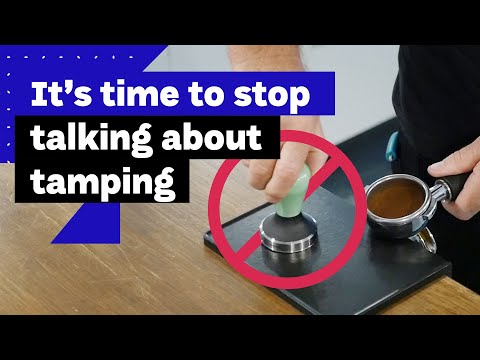
Barista's Guide To Automatic Tamping with Gwilym Davies
WatchEuropean Coffee Trip // 8:36

We love specialty coffee and making videos about it. Back in 2014, we decided to visit the best coffee shops in Europe and our exploration of coffee still continues! On this channel, we share coffee guides, tips & tricks on how to brew tasty coffee at home and reviews of some cool new coffee makers and gadgets. Our work outside of YouTube: ☕️ A guide to speciality coffee shops in Europe (+6000 listings): https://europeancoffeetrip.com/app 📺 A documentary film about the AeroPress: https://vimeo.com/ondemand/aeropressmovie Our goal is to get you excited about specialty coffee so you learn how to make better coffee at home or find a coffee shop with skilled baristas and tasty coffee!