Arctic Eggs punishes players with hyper-realistic egg physics and cigarettes
The Grim Reality of the Poultry Peddler
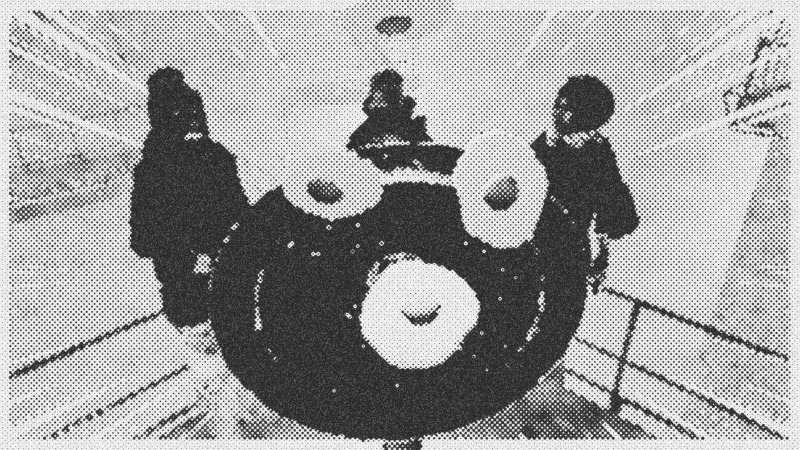
In the frozen, dystopian landscape of Arctic Eggs, the player assumes the mantle of a "Poultry Peddler," a figure stripped of all human utility save for the ability to walk and cook. This isn't your standard culinary simulator. There are no five-star kitchens or garnish-laden plates. Instead, the game presents a world where food is a transactional necessity governed by brutal, unforgiving physics. The setting feels less like a game and more like a fever dream, populated by characters who speak in existential riddles and harbor bizarre desires, such as the inclusion of lit cigarettes in their breakfast orders.
The gameplay loop is deceptively simple but mechanically grueling. You are tasked with feeding the inhabitants of a vertical city to gain an audience with the enigmatic "Saint of Six Stomachs." Success requires more than just timing; it demands a literal "feel" for the weight and momentum of virtual objects. The game utilizes a mouse-driven heat generation mechanic and a flick-based wrist motion to flip items in a pan. It is a high-stakes environment where a single misplaced twitch can send a breakfast of bacon and eggs sliding onto the frozen pavement, forcing a total restart of the challenge.
Strategic Mastery of Weighted Physics
The core strategic hurdle in Arctic Eggs lies in the disparate weights of the ingredients. An egg yolk behaves with a fluid grace, but adding bacon or sausages creates a chaotic center of gravity within the pan. To succeed, one must move the mouse with rhythmic precision to generate heat while simultaneously managing the physical distribution of items. The game forces players to develop a tactile understanding of the pan's edges. Moving an item to the extreme left or right before a flick provides a different trajectory than a central flip, a nuance that separates the casual player from the true "poultry master."
Strategic decisions also manifest in the order of operations. When faced with multiple ingredients—like a stack of eggs, fish tins, and cigarettes—the player must decide which items to flip first and how to "trap" lighter objects with heavier ones. In one particularly grueling scenario involving flying cockroaches, the player must learn to flip the insects onto their backs to prevent them from escaping the pan. This tactical adaptability is the difference between progression and a spiral into mechanical frustration.
Performance Breakdown of the Flipper Experience
Drae demonstrates a classic progression curve, moving from initial bewilderment to a rhythmic, almost meditative mastery of the pan. His performance highlights the psychological toll of the game’s "rage-inducing" mechanics. Early failures are frequent, particularly during the transition from single-egg flips to multi-ingredient meals. The difficulty spikes when the game introduces external variables, such as bullets being fired into the pan or the necessity of cooking on all six sides of a cubic meat product.
His ability to recover from near-disasters—such as catching a falling egg on the edge of the pan—showcases the depth of the game's physics engine. The performance breakdown reveals that the most successful "moves" are not the most aggressive ones, but the most calculated. By slowing down the pan’s movement and utilizing the scroll wheel to adjust sensitivity, Drae manages to overcome challenges that initially seemed impossible. However, the emotional fatigue is evident; the constant pressure of a physics-based failure state creates a high-tension atmosphere that persists for the duration of the playthrough.
Critical Moments in the Culinary Abyss
Several critical moments define the descent into the bizarre world of Arctic Eggs. The introduction of the cigarette as a cooking ingredient serves as a tonal shift, signaling that the game is less about realism and more about atmospheric absurdity. A pivotal challenge occurs when the player must manage a pan full of flying cockroaches. This moment forces a total re-evaluation of the game’s mechanics; the pan is no longer just a cooking vessel but a containment unit. The psychological impact of seeing the bugs fix their "stupid little legs" and fly away just as the egg is finishing creates a unique brand of gaming stress.
Another stand-out moment involves the interaction with the character firing bullets at the pan. Here, the player must use the egg itself as a shield to deflect projectiles while maintaining the heat necessary to cook the yolk. This intersection of a shooter mechanic with a cooking simulator is jarring and highlights the game’s commitment to its own internal, warped logic. It isn't just about the food; it's about surviving the act of preparation in a world that seems actively hostile to the player's success.
Future Implications of the Six Stomachs
The narrative goal—reaching the Saint of Six Stomachs—suggests a larger, more elaborate hierarchy within the game’s world. To progress, the player must feed 27 people, a daunting number given the increasing complexity of the requests. Each success brings the player closer to the "Saint," who supposedly holds the key to leaving this dystopian habitat. The future of this journey implies even more surreal ingredients and perhaps more dangerous environmental hazards than just stray bullets and sentient dolphins.
For the player, the learning curve suggests that future challenges will involve even more complex multi-tasking. The mention of frying an egg on Mount Everest looms as a potential endgame scenario, representing the ultimate test of the game’s mechanics. As the player moves deeper into the city, the dialogue suggests a world that has replaced traditional social structures with a bizarre, food-centric obsession. The ultimate takeaway is that in the world of Arctic Eggs, your value is strictly tied to the flick of your wrist and your ability to keep a cigarette lit in a frying pan.
- Arctic Eggs
- 33%· products
- Drae
- 17%· people
- Argentina
- 8%· places
- Mount Everest
- 8%· places
- Poland
- 8%· places
- Other topics
- 25%
Totally Accurate Egg Cooking Simulator - Arctic Eggs
WatchDrae // 45:35

Hey, I'm Drae I'm an Indie-focused gaming channel that produces at least one new video every day and I have been doing so for over a decade. I don't stick to one game or genre so if a flavor is your spice of life, you came to the right place! =========================================== Find More About Me At www.draegast.com ========================================== Sponsorship Requests: [email protected] Other Inquiries: [email protected]