Practical Explosions and Digital Deceptions: A VFX Post-Mortem
The Tactile Weight of Leone’s Bridge
Filmmaking today often leans on the safety of pixels, but nothing captures the raw chaos of a frame like real shrapnel. Looking back at The Good, the Bad and the Ugly, the bridge detonation remains a masterclass in high-stakes practical effects. When a real bridge explodes, the physics are undeniable. You see the shockwave ripple through the air and massive debris—rocks and sandbags—pelting the landscape with lethal velocity. This isn't just about the visual; it's about the actor's response. When Clint Eastwood flinches as a stone whistles past, that’s a genuine physiological reaction to danger. Digital simulations struggle to replicate that involuntary human response to a physical threat. The famous story of the Spanish army captain blowing the bridge before cameras were rolling only adds to the legendary weight of this sequence. Rebuilding a bridge for a second take is a logistical nightmare modern productions would likely avoid with a CGI shortcut, losing that terrifying, gritty reality in the process.
Verbinski and the Reality of ‘Good Luck, Have Fun, Don’t Die’
Director Gore Verbinski recently shared insights into his new project, Good Luck, Have Fun, Don't Die, emphasizing that effective visual effects must start in a recognizable reality. For Verbinski, the goal is to pervert and corrupt that reality rather than build a fantasy world from scratch. His approach relies heavily on practical foundations—using magnets for props, dropping heavy weights on real cars, and building physical sets with LED walls. In one standout detail, he discusses the "clicky," stop-motion-inspired movement of wires in a demonic scene. By looking at films like Tetsuo: The Iron Man, his team avoided the clinical smoothness of modern computer animation, opting for a handcrafted personality that feels grounded and tactile. This philosophy—using VFX to enhance physical stunts rather than replace them—is what separates a forgettable spectacle from a haunting image.
The Uncanny Valley of AI Lip-Syncing
Vincent Must Die showcases a technological shift that is both impressive and unsettling: AI-driven dubbing. Unlike traditional ADR where the actor’s mouth simply doesn't match the translated audio, a company called Flawless AI now tweaks the actual geometry of the performer's lips to align with the new language. The result is visually seamless. However, the ears often betray what the eyes accept. While the mouth movements are unnoticeable, the audible quality of the dubbing often lacks the environmental acoustic of the original set. It creates a strange cognitive dissonance where the performance looks perfect but sounds sterile. The art of this process lies in translation—finding phrases that match the original tempo—but the "wiggly hot dog" artifacts sometimes found in AI lip-syncing remind us that we are still in the early, experimental stages of this tech.
Lighting: The Final Frontier of Integration
Visual effects in television, specifically the Stranger Things finale, often face criticism for "bad CG," but the issue is rarely the digital models. The Mind Flayer and the creature work by Weta FX are technically brilliant, featuring intricate rigging and weight. The breakdown occurs in lighting and integration. When actors run through a green screen environment with flat, safe lighting, they never feel truly part of the scene. Compare this to the fire compositing in As Above, So Below, where the use of halation—simulated red bloom on high-contrast edges—reminds the viewer of physical film and makes digital flames feel hot and dangerous. To make a shot special, every decision must be intentional. Without the rigorous planning seen in films like Dune, even the most expensive CGI becomes mere background noise.
- As Above, So Below
- 7%· movies
- Clint Eastwood
- 7%· people
- Dune
- 7%· movies
- Flawless AI
- 7%· companies
- Ghost
- 7%· companies
- Other topics
- 67%
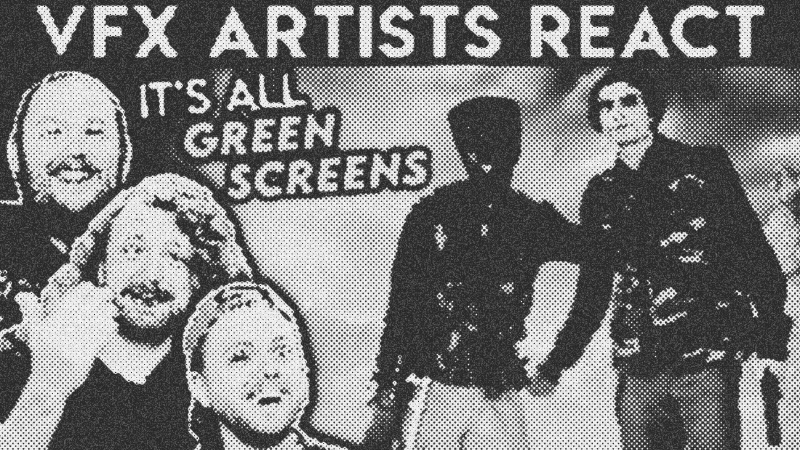
VFX Artists React to Bad & Great CGi 213
WatchCorridor Crew // 25:22
