Forging Fire: Why the Practical Stunts in Ballerina Change the Game
The Visceral Reality of The Dragon
Cinema often relies on digital safety nets, but From the World of John Wick: Ballerina chooses a more dangerous path. The production team engineered a flamethrower nicknamed "The Dragon," a beast capable of throwing flames 75 feet at temperatures reaching 4,000 degrees. This isn't just a prop; it’s a high-output industrial tool. By using an 80/20 mix of gasoline and isopropyl alcohol, the filmmakers achieved a heavy, liquid fire that drips and clings, a visual texture that CGI simply cannot replicate with the same terrifying weight.
The High Stakes of In-Camera Mastery
While most modern blockbusters lean on post-production, this film claims that 90 to 95% of its fire effects occurred in-camera. This commitment to practical effects creates a palpable tension on set. When Ana de Armas first operated the equipment, the sheer intensity of seeing a stunt performer engulfed in real flames reportedly moved her to tears. That emotional reaction isn't just for the actors; it translates directly to the audience. You feel the heat because the heat was actually there.
The Lethal Precision of Stunt Work
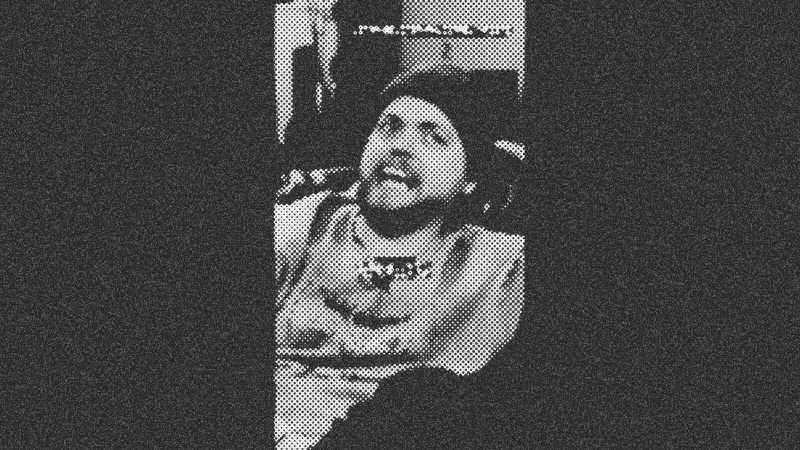
Every second of a fire stunt involves a calculated risk with no margin for error. Stunt professionals like Chau Naumanova must hold their breath for the entire duration of the ignition. If a performer breaks and inhales during the stunt, the superheated air and chemicals can permanently sear their lungs. It is a grueling process of 187 ignitions over eight days, overseen by coordinator Jayson Dumenigo. The result is a shot where a fireball literally surrounds a human head, captured with a clarity that feels illegal.
A New Standard for Action Cinema
Comparing this to typical action fare reveals a stark contrast. Most fire sequences today look thin because they lack the physical fuel residue seen here. In From the World of John Wick: Ballerina, you see the unignited fuel hitting the target a split second before the flame catches up. This detail adds a layer of gruesome realism that anchors the film in the gritty, tactile world established by the John Wick franchise. This is a masterclass in technical bravery and a recommendation for anyone who values the vanishing art of practical filmmaking.
- From the World of John Wick: Ballerina
- 33%· movies
- Ana de Armas
- 17%· people
- Chau Naumanova
- 17%· people
- Jayson Dumenigo
- 17%· people
- John Wick
- 17%· movies
Is this THE BEST fire stunt EVER?
WatchCorridor Crew // 1:16
