VFX experts reveal visual tells that expose AI scams and slop
The content hose hits the bookshelf
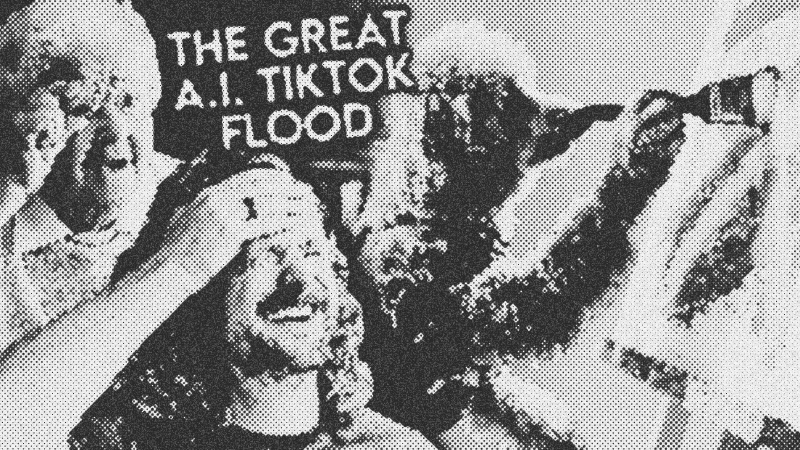
Cinema is meticulously crafted magic, but the current wave of AI-generated content is anything but. The digital landscape is currently witnessing a massive influx of "slop"—low-effort, algorithm-baiting material designed to siphon attention and money. Nowhere is this more apparent than on Amazon, where the children's book category has become a primary target for automated publishing. These books often feature covers with hyper-centered compositions and a specific "Midjourney sheen" that sits uncomfortably between a digital painting and a 3D render.
Beyond the visuals, the text reveals the true nature of the scam. Automated authors rely heavily on ChatGPT for output, which frequently manifests as a bizarre over-reliance on M-dashes and emojis in back-cover blurbs. These products are forced into the public eye through sponsored placements because they lack the organic quality required for word-of-mouth success. Even five-star ratings are often the result of bot-farming, leaving one-star human reviews as the only honest indicators of quality.
Influencers and the death of physical logic
Social media platforms like Instagram are now battlegrounds for attention, featuring AI Influencers who appear to live impossible lives. High-profile accounts use LoRA training to maintain a consistent face while artificially placing themselves next to real celebrities like Sydney Sweeney. However, the background often betrays the illusion. Small details—exit signs that shift perspectives, flickering televisions with frozen frames, or people in the background who morph into different shapes—reveal that the world lacks a persistent worldview.
Technically, these fakes fail because AI models currently estimate the next frame based on probability rather than an understanding of physics. This leads to "concept bleed," where the AI applies a single descriptive prompt—like "yellow raincoat"—to every element in the scene, regardless of whether it makes sense. A monkey flying on an umbrella should move through a windy environment, yet the leaves in the background remain static. The absence of environmental logic is a smoking gun for digital fabrication.
Commercial shortfalls and directorial voice
Major brands are experimenting with AI in national commercials, often chasing the novelty of the technology. Brands like Progressive have released ads clearly labeled as AI-generated, but they often fall into the trap of looking like generic stock footage. These clips lack a directorial voice, resulting in a series of disconnected, pretty images that fail to tell a cohesive story.
Performance is the secondary failure point. While a still image might look convincing, the moment a character speaks, the performance feels flat and stilted. The AI struggles with the nuance of human motion, frequently resulting in "wacky motion" where limbs or objects phase through one another. In contrast, real cinematography, like a couch ad with a consistent set layout and physics-based lighting, maintains a level of continuity that current AI models simply cannot replicate.
The fingerprint of the machine
Protecting yourself from these scams requires a VFX artist’s eye for detail. Tools like SynthID are beginning to help by embedding digital fingerprints into encoded images, but your best defense is observing continuity. Does a character’s jewelry change between cuts? Does the wood grain on the wall remain the same? Authentic filmmaking is defined by these thousand tiny decisions. If the background posts in a video disappear or a bandana's pattern shifts, you aren't watching a video; you're watching a mathematical estimation of one.
- AI Influencers
- 6%· people
- AI-generated content
- 6%· products
- Amazon
- 6%· companies
- ChatGPT
- 6%· products
- couch ad
- 6%· products
- Other topics
- 69%
VFX Artists DEBUNK AI SCAMS & Influencers
WatchCorridor Crew // 20:40
