Beyond the Frame: Visualizing the Global Waste Crisis Through Technical Artistry
The Cinematic Scale of Human Waste
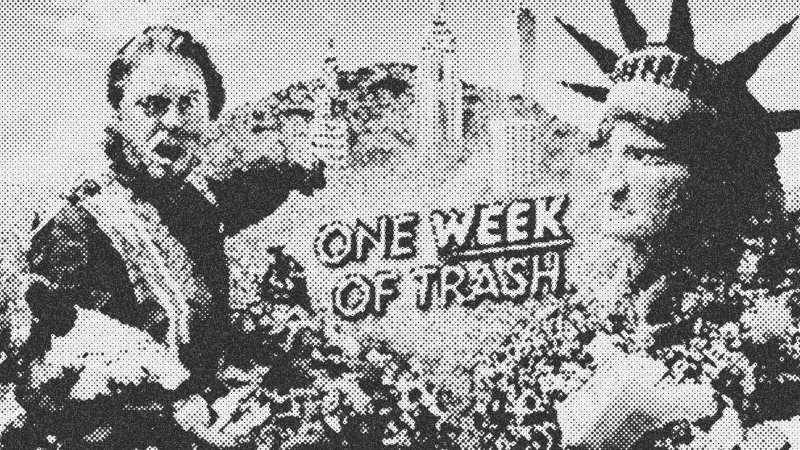
Filmmakers often use scale to evoke awe or terror. When we look at the waste produced by the average American—about 35 pounds a week—it seems manageable. However, when you apply the logic of visual effects to aggregate this data, the picture shifts. The weekly trash output of the United States matches the volume of the Great Pyramid of Giza. This isn't just a staggering statistic; it is a logistical nightmare. While WALL-E presented a world literally buried under cubes of refuse, our reality utilizes Landfills to hide the problem behind clever engineering. These sites use plastic liners and compacted clay to protect groundwater, yet they already occupy land equivalent to the size of Maryland.
Uncontrolled Dumps and the Global South
In many regions, particularly the Global South, the luxury of engineered containment doesn't exist. Expert Zoe Lenkiewicz highlights that without expensive waste management systems, communities rely on uncontrolled dumps. These sites are not merely eyesores; they are environmental hazards where waste is often burned, releasing toxic smoke that ignores international borders. In Indonesia, the Bantar Gebang dump spans 200 football fields and rises 15 stories high. This is the practical reality for millions—a landscape that looks less like a modern city and more like a dystopian film set.
The Great Pacific Garbage Soup
When waste escapes terrestrial containment, it migrates to the Great Pacific Garbage Patch. It is a common misconception that this is a solid island of trash. In reality, solar radiation and wave action break plastics down into a microscopic soup. Roughly 80% of this patch consists of microplastics. Every minute, the equivalent of a garbage truck full of plastic enters our oceans. This relentless influx creates a "tower" of plastic that grows two inches every sixty seconds, effectively toxifying the base of the global food chain.
The Recycling Myth and Industrial Reality
We often find solace in the blue bin, but the economics of plastic tell a different story. Plastics are cheap byproducts of oil and gas, making virgin material often more affordable than recycled pellets. Furthermore, complex items like coffee pods or vapes contaminate the stream. The United States exports nearly a billion pounds of plastic waste annually to nations like Malaysia, where much of it ends up in landfills regardless of its "recyclable" label. Even more invisible is industrial waste from mining and agriculture, which outweighs municipal waste by an order of magnitude. If we continue this trajectory, we will have built a "trash mountain" the size of Mount Fuji within 23 years.
Engineering a Way Out
Hope lies in technical innovation and civil engagement. Sweden currently incinerates half its waste to power a million households, reducing the volume of landfill residue by 90%. In Japan, Kitakyushu has leveraged strict sorting and composting to reduce per-capita waste to a fraction of the American average. These aren't just policy changes; they are meticulous shifts in how we interact with the physical world, ensuring the next generation isn't left to clean up our poorly managed production.
- Bantar Gebang
- 10%· places
- Great Pacific Garbage Patch
- 10%· places
- Great Pyramid of Giza
- 10%· places
- Kitakyushu
- 10%· places
- Landfills
- 10%· places
- Other topics
- 50%
VFX Artist Reveals the TRUE Scale of GARBAGE
WatchCorridor Crew // 16:57
