The Precision of Duality: Inside the Visual Strategy of K-Pop Demon Hunters
Overview: Defining a New Visual Language
Co-directors Maggie Kang and Chris Appelhans faced a complex aesthetic challenge with K-Pop Demon Hunters. They needed to balance the high-octane glamour of the music industry with the raw, visceral stakes of supernatural combat. Rather than mimicking the established comic-book aesthetics of Spider-Man: Into the Spider-Verse, the team engineered a specific CG-hybrid look. This approach maintains a tactile 3D reality while integrating stylized elements that elevate the emotional stakes without sacrificing the film's internal logic.
Strategic Moves: Chibi as Emotional Preservation
One of the most tactical decisions involves the deployment of chibi-style character designs. The directors didn't use this as a mere aesthetic flourishes; they used it to manage "emotional real estate." By shifting into broader, exaggerated forms for comedic sequences, they create a clear visual boundary. This ensures that when the characters return to their grounded, more realistic forms, the audience feels the weight of their fear and struggle. The stylization acts as a release valve, preventing the heavy emotional beats from being diluted by the film’s humor.
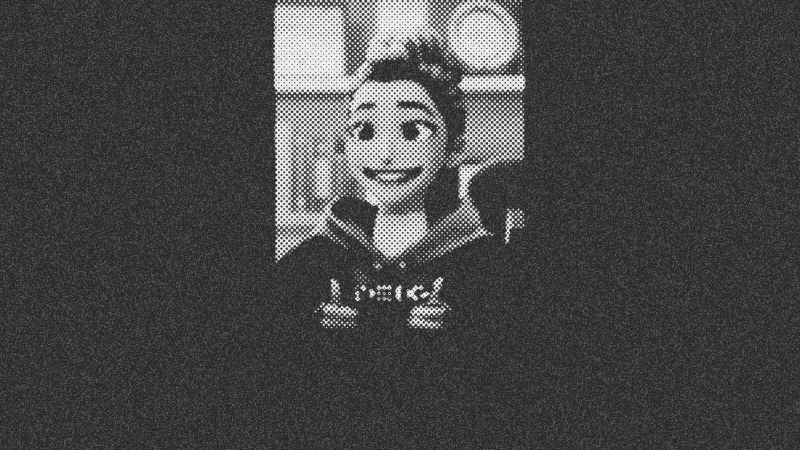
Performance Breakdown: The Female Gaze and Duality
The animation team, led by a strong cohort of women animators, leaned into a deliberate duality for the lead characters. The performers function as K-pop icons who belong on Vogue covers, but the production avoids sanitizing their experience. The animators pushed for "ugly crying" and distorted expressions, breaking the traditional mold of the always-perfect pop star. This commitment to messy, authentic expression provides a layer of humanity that contrasts sharply with their curated public personas.
Future Implications: The Evolution of 3D Stylization
The success of this production proves that 3D animation can incorporate 2D influences without losing its spatial integrity. By refusing to go the "real 2D route," the filmmakers preserved a believable reality that houses both the absurd and the profound. This hybrid strategy offers a blueprint for future productions looking to escape the shadow of existing visual benchmarks while maintaining high-fidelity storytelling. It shifts the focus from surface-level treatment to meaningful, character-driven visual shifts.
- Chris Appelhans
- 17%· people
- K-Pop Demon Hunters
- 17%· movies
- Maggie Kang
- 17%· people
- Netflix
- 17%· companies
- Spider-Man: Into the Spider-Verse
- 17%· movies
- Vogue
- 17%· companies
WHY Kpop Demon Hunters feels DIFFERENT
WatchCorridor Crew // 1:13
