The Internal Theater: Psychological Horror and the Art of Solitary Play
The Architecture of Mental Cinema
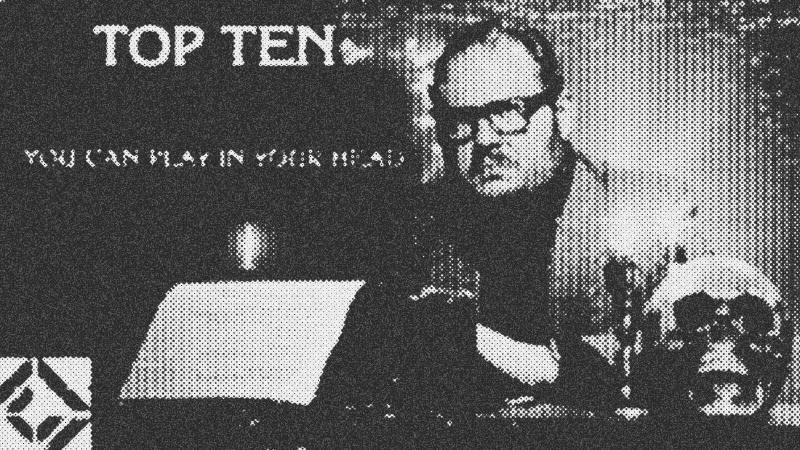
Filmmaking usually requires a crew, a lens, and a lighting rig, but Top 10 Scary Games You Can Play in Your Head by Yourself suggests the most terrifying production studio exists within the human cranium. This concept shifts the medium from a passive screen to an active, internal simulation. By using the mind as both the projector and the audience, these experiences bypass traditional visual effects to tap into primal, personalized dread. It is a technical feat of narrative design that turns the reader's imagination into a high-fidelity rendering engine.
The Dual Voice Mechanism
Every compelling horror script needs an antagonist. When playing a solitary mental game, the conflict arises from a psychological split. J. Theophrastus Bartholomew mastered the art of unleashing the "second voice"—that internal nudge toward the irrational or the unwanted. This voice acts as the director of the nightmare, anticipating your moves because it is part of you. This internal antagonism creates a feedback loop where the player's own defensive instincts become the fuel for the horror, making the experience impossible to outsmart.
Narrative Expansion and Player Agency
Modern storytelling often seeks to grant the audience more control. The introduction of the Power to the Player Expansion Pack brings classic RPG mechanics into this mental space. By introducing items like Golden Knight armor or specific character archetypes, the experience evolves from a raw psychological drill into a structured piece of interactive fiction. Sam Gorski and the team have essentially codified the daydream, providing a framework for users to navigate their own subconscious through a structured, ludic lens.
Implications for Visual Storytelling
For those of us behind the camera, these games offer a masterclass in tension. They prove that the most effective horror doesn't come from what we see, but from what we expect to see. The misunderstanding in a dark alley or the panic of a missing child are scripts written in the language of pure emotion. By stripping away the visual clutter, we find the core of what makes a scene work: the terrifying realization that we are often our own most effective tormentors.
- Amazon
- 17%· companies
- Golden Knight armor
- 17%· products
- J. Theophrastus Bartholomew
- 17%· people
- Power to the Player Expansion Pack
- 17%· products
- Sam Gorski
- 17%· people
Yes, this book is REAL
WatchCorridor Crew // 3:02
