The Art of Survival: Bugzy Malone on Resilience, Self-Belief, and the Weight of Truth
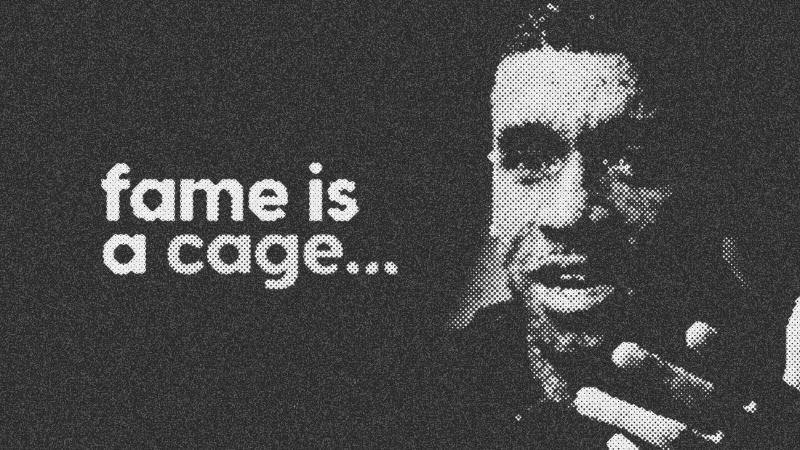
The setting is a quiet, hallowed space. Inside a church, Bugzy Malone sits across from Chris Williamson, his presence a stark contrast to the stained-glass surroundings. The air carries the weight of a man who has lived several lifetimes before reaching his mid-thirties. Bugzy begins by reflecting on the heavy mantle of being a role model—not as a vanity project, but as a responsibility to an eight-year-old autistic fan who calls him a superhero. This isn't just about rap; it's about the psychological pressure of knowing your words are the scaffolding for someone else's survival. He describes this pressure as a privilege, a paradoxical force that keeps him sharp when he’d otherwise succumb to the comfort of success. For a man who once spent two years paralyzed by depression in his bedroom, the urgency to move is less about ambition and more about keeping the darkness at bay.
The Chaos of the Come Up and the Pursuit of Balance
Bugzy describes the first decade of his career as pure chaos. He walked through undriven snow, forging a path for Northern English rap in an industry that previously only recognized London voices. This period required a total abandonment of balance. He lived in a world where sleep was secondary and hyper-focus was a survival mechanism. He argues that on the ‘come up,’ you must break through a glass ceiling by hook or by crook. If someone had told him to seek work-life balance during those years, he would have failed. Growth, he suggests, requires recognizing which season of life you are in. The basics—hard work, long hours, and relentless discipline—are what get you to the door. Only after you have established your foothold can you begin the advanced work of seeking symmetry.
He views his music during this era not just as a product, but as a form of alchemy. He was vocalizing his internal pain to transcend it, turning trauma into a timeline that finally made sense. By speaking his truth, he realized his struggles weren't a personal curse from the gods but an individual set of challenges designed to forge his higher self. This realization is what resonates with his audience. When a listener hears him talk about mental health or street violence, they feel less broken. They realize their pathology isn't unique; it's human. Bugzy posits that truth operates on a frequency that requires no verbalization to be understood—it simply resonates.
The Divine Intervention of a Broken Body
A pivotal turning point arrived when Bugzy was at his most physically confident. He describes a horrific bike accident on a three-wheeled vehicle that left him with a fractured skull, bleeding on the brain, and a snapped patella. Lying on the pavement in a growing puddle of blood, he experienced a profound moment of helplessness. For a man whose identity was rooted in his ability to defend himself and remain self-sufficient, being dependent on others was terrifying. Yet, he views this crash as a form of divine intervention. It forced him to sit down, reflect, and rebuild from zero.
While recovering, he faced an even greater threat: a blood clot in his leg that eventually traveled through his heart. He recounts a two-week period of facing imminent death, as doctors couldn't give him full doses of blood thinners due to his brain hemorrhage. Paradoxically, he felt a sense of bliss during this time. The pressure to achieve, to maintain the brand, and to succeed vanished because death was out of his hands. It was during this brush with mortality that he had to confront the most difficult question: "Do you want to live?" He realized that his upbringing had left him with a self-destructive streak, a belief that he wasn't lovable. The accident stripped away his bravado, forcing him to commit to self-love as a prerequisite for the greatness he imagined for his future.
Resilience and the Trap of the Velvet Prison
Recovery wasn't just physical therapy; it was a psychological battleground. Bugzy recalls receiving a message from Guy Ritchie while still in his hospital bed, asking him to join a new film alongside Jason Statham. This goal became the North Star that dragged him through the agony of rehab. He argues that even the most disciplined individual needs a peak to aim toward. Without that new challenge, the motivation to heal would have been purely self-generated and far more fragile. He learned from Ritchie that true excellence is the result of years of refinement, not just a singular moment of luck. Seeing a giant of the film industry still working harder than the common man inspired Bugzy to double down on his own craft.
As wealth and fame entered the room, Bugzy encountered the "velvet prison." He warns that many people believe money is the answer to all trauma, but in reality, it only buys the freedom to finally do the work of healing. He shares the story of buying a Lamborghini with a cash deposit, only to realize as he drove off the lot that nothing had changed internally. He was still the same stressed, traumatized individual, just in a faster car. This realization led him to study psychology, specifically the works of Jordan Peterson and [Gabor Mat
- AG1
- 7%· companies
- Bleed for This
- 7%· movies
- Bugzy Malone
- 7%· people
- Charlie Sloth
- 7%· people
- Chipmunk
- 7%· people
- Other topics
- 67%
Hardship Is An Opportunity To Improve - Bugzy Malone (4K)
WatchChris Williamson // 2:31:41
