Huberman says dopamine detoxing works once you cut the extreme nonsense
The Shift from Skepticism to Science
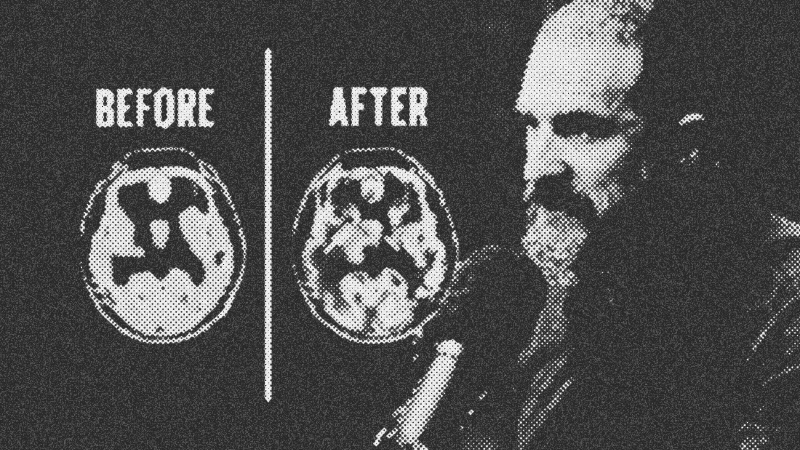
Andrew Huberman initially dismissed the concept of a dopamine detox as an internet gimmick. He recently shifted his perspective after collaborating with Anna Lembke, author of Dopamine Nation. The core shift involves moving away from "Monkish" extremes—like avoiding eye contact—and focusing on the biological necessity of restoring baseline neurochemistry. When we flood our systems with high-intensity rewards, our receptors downregulate, leaving us in a state of chronic deficit.
Resetting the Reward Baseline
The true utility of a detox lies in creating space from addictive behaviors and substances that drive dopaminergic states too long. Continuous engagement with social media, pornography, gambling, or highly palatable foods forces the brain to compensate by lowering the amount of dopamine released. Eventually, this process traverses into the territory of pain, where the activities that once provided joy now barely keep us at a neutral state. Disconnecting allows the brain to re-sensitize these receptors.
The Role of Cold Water Exposure
While some detoxes focus on subtraction, Andrew Huberman highlights the power of "long-lasting arcs" of dopamine through specific stimuli. Cold water immersion serves as a natural motivator. Unlike the sharp spikes and subsequent crashes seen with digital addiction, the physical pain of cold water triggers a sustained release of dopamine that acts as a natural anti-depressant. Even 60-degree water for an extended period can elevate baseline levels without the typical crash.
Restoring Intentional Living
Legitimate dopamine regulation isn't about avoiding all human connection or living in a void. It is a strategic withdrawal from high-intensity, low-effort rewards. By removing prescription drugs, caffeine, or constant scrolling, individuals can restore their dopamine balance. This recalibration ensures that everyday life remains rewarding, preventing the desensitization that leads to compulsive, joyless consumption.
- Andrew Huberman
- 33%· people
- Anna Lembke
- 17%· people
- Chris Williamson
- 17%· people
- Dopamine Nation
- 17%· books
- Stanford
- 17%· organizations
Dopamine Detoxing Is Misunderstood - Andrew Huberman
WatchChris Williamson // 4:33
