The Search for Agency: Why We Feel Politically and Personally Adrift
Introduction: The Void of Belonging
Feeling adrift is a profoundly human experience. It is the sense that you do not have a place, that your needs are not a priority. This personal crisis of purpose often mirrors a larger societal fracture, where entire groups of people, particularly young men, feel pushed to the margins. Their search for identity and agency is not a flaw; it is a fundamental drive. Understanding this drive is the first step toward building a resilient sense of self, regardless of the political currents around you.
The Psychology of Community
We are wired for connection. From our earliest days, our survival and our identity have been tied to the groups we are part of. When a community, political or otherwise, communicates—either explicitly or through subtle cues—that you are not welcome, the psychological impact is significant. It creates a vacuum. This rejection doesn't just invalidate your views; it attacks your sense of worth and belonging. The natural response is to seek out a new community that will offer what was denied: acceptance, a shared purpose, and a role to play.
Detailed Analysis: The Narratives We Live By
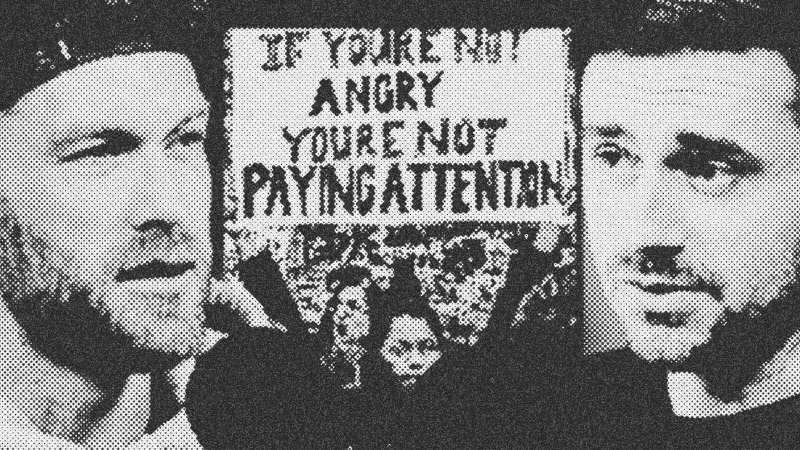
The Allure of Absolute Agency
The narrative of pulling yourself up by your own bootstraps is incredibly powerful. It speaks directly to our desire for an internal locus of control—the belief that we are the masters of our own fate. For anyone feeling powerless or dismissed, this message is a lifeline. It offers a clear path forward based on individual effort and personal responsibility. This story provides a tangible sense of power when the alternative feels like accepting defeat at the hands of vast, impersonal systems you cannot change.
The Cost of Exclusionary Rhetoric
When aspiring members are met with what Joshua Citarella describes as "vicious activist rhetoric," the door to one community slams shut. This isn't just a political disagreement; it is a psychological rejection. It tells individuals their concerns are invalid and their presence is unwanted. Such experiences actively push people to find alternative spaces. They will inevitably gravitate toward narratives that validate their experiences and offer them a sense of value and direction.
Implications: Forging a New Path
The search for identity is relentless. When one path is blocked, we find another. Young men who feel alienated will not simply disappear; they will find other ideologies and groups that offer them the agency and community they crave. This is not a failure of character but a testament to the powerful, innate drive for purpose. It highlights a critical lesson: any group that fails to offer a compelling and inclusive vision of the future will lose people to those that do.
Conclusion: Beyond Individualism and Alienation
Your greatest power lies in recognizing your inherent strength to navigate challenges. This strength is partly individual—your resilience, your effort. But it is also collective. We grow stronger in communities that acknowledge our worth and provide a shared mission. The crucial task for personal growth is to find or build a community that provides a healthy sense of belonging and purpose, one that sees your potential and invites you to contribute to something larger than yourself.
- Infowars
- 20%· organizations
- Joshua Citarella
- 20%· people
- Neoliberalism
- 20%· concepts
- Social Democracy
- 20%· concepts
- The Left (Political Ideology)
- 20%· concepts
“The Left Does Not Have Room for Men” - Joshua Citarella
WatchChris Williamson // 10:37
