Ryan Garcia reveals the terrifying cost of running on pure obsession
The High-Stakes Cost of Silencing Your Real Self
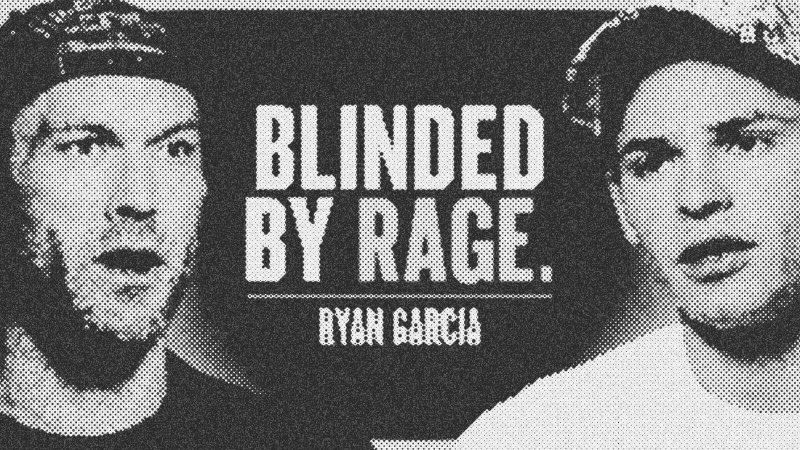
Imagine standing under blinding lights while millions watch your every move, waiting for you to slip. For Ryan Garcia, this high-pressure arena is not just a workplace; it has been his entire reality since he was seven years old. When a child trades standard playgrounds for relentless training sessions and amateur tournaments, they do not just build athletic skill. They build a fortress. In a candid dialogue with Modern Wisdom, Garcia pulled back the heavy curtain on what happens when that fortress turns into a prison of expectation, fame, and unaddressed trauma.
Every human has a breaking point. When you push your mind and body to perform at elite levels without processing the quiet storms raging within, a crash is inevitable. Garcia experienced a simultaneous onslaught of severe life stressors: a custody battle, his mother’s cancer diagnosis, and a divorce. Instead of pausing to heal, he chose a path many high-achievers default to: self-destruction. He attempted to sink the ship completely, masking his pain with alcohol and chaotic public behavior. This is a classic psychological defense mechanism. When the pressure to be perfect becomes too heavy, we sometimes break our own toys just so we do not have to worry about dropping them.
But the true cost of hiding behind a chaotic, angry persona is the loss of your authentic self. You begin to play a character to satisfy the critics. If they want a villain, you give them one, letting their judgment dictate your identity. Real growth requires you to drop that heavy armor. It demands that you look at the frightened, exhausted human underneath the hype and begin the slow, deliberate work of reconstruction.
Flow States, Chaos, and the Danger of Blind Fury
There is a profound difference between performing from a place of deep intuition and reacting out of unbridled rage. In the ring, Garcia operates largely on instincts and cues, entering a flow state where conscious thinking fades. This state represents peak human performance. Your brain stops getting in its own way, letting years of physical conditioning take over. Yet, as Williamson noted, this optimal mental state is often the hardest to remember. The conscious mind retreats, leaving only raw action.
However, when pressure mounts, that beautiful flow state can easily be hijacked by anger. Many performers believe they need a dark edge to win. They use fury as fuel, believing it gives them the grit to survive. But rage is a deceptive ally. While a controlled level of aggression sharpens your focus, blinding rage actually narrows your vision to a dangerous degree. It creates a sort of cognitive tunnel vision, blinding you to the counterpunches life throws your way.
                  Aggression  vs.  Rage
                      |             |
              [Sharpens Focus]   [Blinds Vision]
                      |             |
              [Intuitive Flow]   [Self-Sabotage]
When you fight from a place of pure anger, you lose the ability to read the room, whether that room is a boxing ring, a boardroom, or your own home. You stop acting and start reacting. True power does not come from screaming back at the world. It comes from the quiet, regulated space where you can see the entire board, anticipate the next move, and act with absolute intention.
Concrete Practices to Ground Your Mind Before a Crash Out
To prevent the spiral of self-sabotage, you must implement deliberate boundaries that protect your mental peace. These four practical strategies will help you anchor your mind when the world around you feels chaotic:
- Establish a Digital Moat: Do not touch your phone for the first hour of the day. Waking up and immediately scrolling through social media ruins your day before it even begins. Your brain is highly suggestible in the morning. Protect it by listening to calming sounds, reading, or meditating before engaging with the outside world.
- Build Your Protective Circle: Surround yourself with people who care about your character, not just your performance. Garcia relies heavily on his squad living with him to keep him grounded. Isolation is the breeding ground for addictive habits and toxic thoughts. Find your people and keep them close.
- Analyze the Tape of Your Decisions: When you make a mistake or experience a setback, do not run from it. Spend quiet time replaying the situation in your mind. Ask yourself: What triggered that reaction? What was the underlying cue I missed? This practice transforms a failure into a masterclass in self-awareness.
- Implement a Mindful Reset: When you feel the physical signs of rising anger—tightness in the chest, shallow breathing, or a racing pulse—physically step away. Use a simple mental mantra to anchor yourself back to the present moment. Garcia used the mantra "stay focused" during his toughest rounds to keep his mind from drifting into emotional chaos.
Trading the Armor of Anger for True Internal Regulation
Moving away from a survival mindset requires a massive shift in how you view strength. For years, you may have used your anger as a shield, believing it was the only thing keeping you safe from a harsh, judgmental world. But that shield is heavy, and carrying it forever will exhaust you. True strength is not found in your ability to strike back; it is found in your ability to remain calm and regulated when everything around you is spinning out of control.
Look at elite performers who maintain their longevity. They do not run on the dirty fuel of resentment. They transition from trying to prove their enemies wrong to focusing on their own internal standards. When you let go of the need to fight the world, you reclaim your energy. You stop letting the opinions of strangers dictate your emotional state. This shift is not about becoming soft; it is about becoming highly efficient. It is about saving your fire for the things that actually matter.
Own Your Potential Without Letting Your Vices Own You
Your ultimate goal is to realize your fullest potential without destroying yourself in the process. As Garcia pointed out, the fear of wasting your talent and failing to reach your true capability is a powerful motivator. But that motivation must be guided by wisdom, not ego. You cannot outrun a bad lifestyle, no matter how gifted you are. Your body and mind are finely tuned instruments that require care, respect, and the right inputs.
Treat your life as a professional pursuit, regardless of your career. Build the discipline to step back when you are redlining. Realize that asking for help, leaning on your community, and choosing peace over chaos are the ultimate power moves. You have an incredible amount of strength within you. It is time to stop using it to fight yourself and start using it to build a life of lasting impact, deep resilience, and true self-mastery.
- Chris Williamson
- 17%· people
- Conor McGregor
- 17%· people
- Jake Paul
- 17%· people
- Magnus Carlsen
- 17%· people
- Modern Wisdom
- 17%· podcasts
- Ryan Garcia
- 17%· people
The Untold Pain of Being a Professional Boxer - Ryan Garcia
WatchChris Williamson // 1:18:42
