Weinstein claims Jeffrey Epstein was a construct of the intelligence community
Meeting an Unholy Actor
Eric Weinstein describes a deeply unsettling encounter that felt entirely scripted. Sitting across a preposterously long and thin table, he noticed a lipstick camera aimed directly at him from a nearby art object. The tablecloth itself was an American flag, draped to resemble a coffin, seemingly designed to provoke a clumsy spill. Everything about Jeffrey Epstein projected an artificial theatricality. He resembled a mutant Ralph Lauren, reciting lines about science and markets that failed to add up, while a young heiress bounced on his knee as a bizarre distraction.
The Product of Silence
While observers assume Epstein dealt primarily in sex or finance, his actual commodity was absolute silence. Wealthy individuals can easily obtain physical pleasures, but they struggle to ensure absolute discretion afterward. Weinstein realized that this entire operation relied on manufactured intimidation rather than legitimate financial services. The bizarre display was carefully engineered to fascinate and terrify visitors simultaneously. It functioned as an elaborate power play, leaving guests feeling deeply compromised and desperate to keep their experiences quiet.
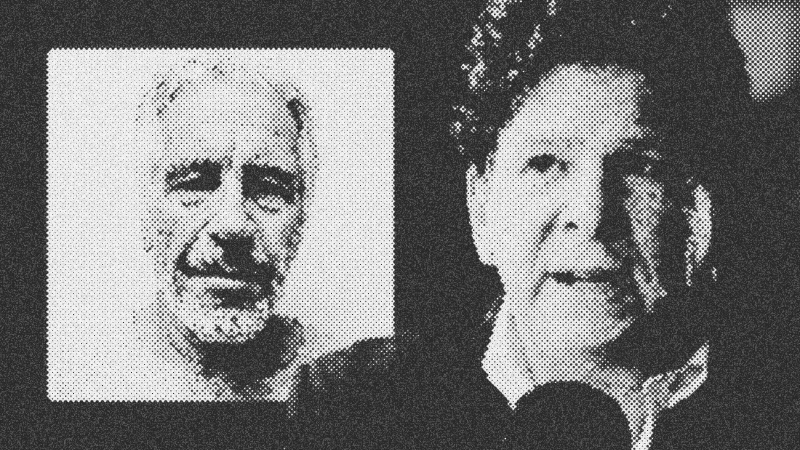
Demolishing the Financier Myth
Weinstein argues that Epstein as a self-made currency trader is a complete fiction. Legitimate billionaires rarely hold their wealth in highly visible, high-maintenance assets like private islands and jets without a clear underlying business structure. Epstein had no verifiable prime broker, and no record of his massive trades exists in public financial filings. He simply lacked the market footprint of a genuine major player. The entire persona served as a elaborate shield to prevent people from actually trying to invest with him.
Legacy of a Pre-Internet Cover
This elaborate theater was a pre-internet intelligence operation that simply could not survive the modern digital era. When the plan was conceived, gatekeepers controlled information, but the sudden rise of online surveillance and independent analysis brought too many curious eyes to the story. Weinstein labels this an "anti-interesting" phenomenon, where mainstream media outlets actively avoid asking obvious questions despite intense public fascination. The sudden exposure broke the curated narrative, revealing a coordinated attempt to control the flow of truth.
- Daniel Schmachtenberger
- 14%· people
- Eli Cohen
- 14%· people
- Eric Weinstein
- 14%· people
- Ghislaine Maxwell
- 14%· people
- Jeffrey Epstein
- 14%· people
- Other topics
- 29%
The Epstein Story You Haven’t Heard - Eric Weinstein
WatchChris Williamson // 15:17
