Beyond the Label: Uncovering the Hidden Reality of ADHD in Women
The Lost Generation of Women
For decades, a quiet epidemic went unnoticed. An entire generation of women was labeled as anxious, moody, or disorganized. They were treated for anxiety and depression, yet the root cause often remained hidden. As speaker Mel Robbins powerfully illustrates through her own journey, many of these women were not struggling with a primary anxiety disorder. They were living with undiagnosed ADHD.
A History Written for Boys
The diagnostic model for Attention-Deficit/Hyperactivity Disorder was built on a foundation of gender bias. Foundational research in the 1970s focused almost exclusively on hyperactive young boys. The resulting image of ADHD became one of externalized behavior: the disruptive, fidgety boy who can't stay in his seat. This narrow lens completely missed how the condition presents in girls, who experience it at the same rate but in profoundly different ways.
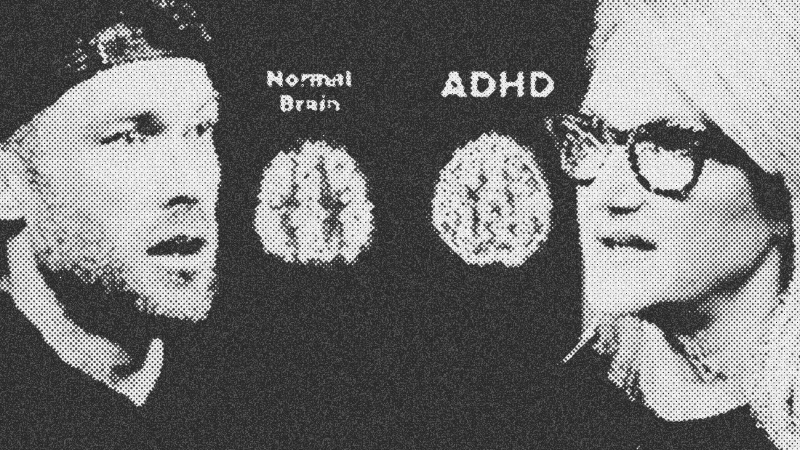
The Divergent Brain: Gendered Symptoms
The Internalized Struggle
While boys with ADHD often act out, girls tend to turn inward. Their hyperactivity is frequently mental—a racing mind, incessant daydreaming, and perfectionistic tendencies. Instead of interrupting the class, they withdraw. They become intensely self-critical, internalizing their struggles as personal failings. This creates a painful cycle of shame and self-doubt that can follow them into adulthood.
Anxiety: The Great Pretender
Anxiety is not a separate issue; it is often a direct consequence of living with an unsupported neurodivergent brain. It’s the constant, exhausting effort of trying to meet neurotypical expectations in a world not designed for you. The fear of missing deadlines, the overwhelm of daily tasks, and the social stress of masking symptoms all culminate in what gets diagnosed as a generalized anxiety disorder, while the underlying ADHD remains invisible.
The Ripple Effect of Diagnosis
The most common path to diagnosis for adult women is a startling one: it comes after their own child is diagnosed. In advocating for their kids, these women see their own lifelong struggles reflected back at them. A diagnosis in adulthood, like the one Mel Robbins received at 47, brings a cascade of conflicting emotions. There is immense relief in finally having an explanation, a framework for a lifetime of feeling 'off.' But this is often paired with a deep grief for the younger self who struggled without answers or support.
Redefining the Narrative
Understanding the gendered nature of ADHD is not about finding an excuse. It is about finding the correct explanation. A diagnosis is a tool. It unlocks access to the right strategies, fosters self-compassion, and allows you to finally work with your brain instead of constantly fighting against it. It's the first step toward reclaiming your personal narrative and recognizing that you were never broken, just unsupported.
ADHD In Boys Versus Girls - Mel Robbins
WatchChris Williamson // 9:25
