Digital Resilience: From Cyber Heists to Meme Culture
The Human Variable in Digital Security
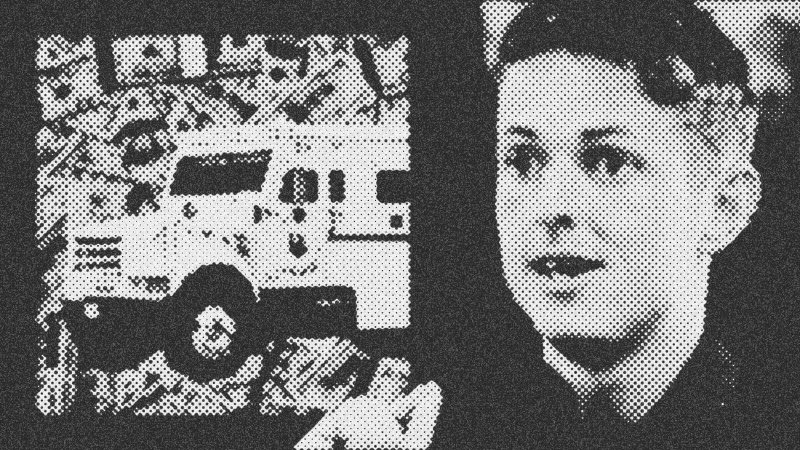
The Bangladeshi bank heist serves as a chilling reminder that our most sophisticated technological systems remain vulnerable to the simplest human errors. Hackers nearly siphoned $1 billion by exploiting the SWIFT system through a malware-infected resume. Their downfall wasn't a firewall or an elite counter-intelligence team; it was a typo and a coincidental street name. This highlights a critical psychological truth: we often obsess over complex defenses while neglecting the foundational habits of attention and precision.
The Valuation of Cyber Defense
A glaring disconnect exists between the risks we face and how we value the individuals protecting us. In the UK, public sector roles for cyber security heads offer salaries that pale in comparison to private tech giants. This systemic undervaluation creates a dangerous vulnerability. If we do not incentivize high-level talent to guard our infrastructure, we remain exposed to catastrophic "cyber-9/11" events that could cripple national economies overnight.
The Architecture of Viral Influence
Moving from digital security to digital influence, the "Meme Algorithm" reveals how ideas take hold. Virality occurs when the emotional payoff of a piece of content outweighs the friction of sharing it. This is not just entertainment; it is the new frontier of communication. Organizations now require a Chief Meme Officer to manage their cultural footprint. Whether through the "glowing" skepticism of suspicious government narratives or the staged viral stunts used by brands like Gymshark, the ability to shape the Overton window through memes is the ultimate power in the modern attention economy.
Future Implications of Manipulated Media
As we enter an era of the Manipulated Meme Complex, skepticism becomes a necessary survival skill. From Reddit threads to LinkedIn feeds, the information highway is paved with both authentic grassroots movements and carefully constructed corporate plants. To maintain psychological sovereignty, we must recognize that memes are more than jokes—they are the psychological units of change that dictate our collective reality.
- Bangladeshi bank heist
- 8%· products
- Chief Meme Officer
- 8%· people
- Chris Williamson
- 8%· people
- 8%· organizations
- Federal Reserve
- 8%· organizations
- Other topics
- 58%
The Biggest Bank Robbery In History That You Haven't Heard Of
WatchChris Williamson // 10:30
