The Price of Mass: Navigating Longevity, Muscle, and the Biological Clock
The Physiological Toll of Extreme Mass
True physical transformation often comes with hidden biological taxes. When we force the body to carry significant excess weight—even in the form of lean muscle—we fundamentally alter our cardiovascular demands. Dr. Mike Israetel highlights that a heart must pump more forcefully to sustain a massive frame. This increased workload, combined with the structural changes steroids induce, can diminish the heart's efficiency. Many people overlook that carrying 235 pounds on a 5'6" frame, as Dr. Israetel does, places the individual in a high BMI category that exerts constant pressure on the internal systems regardless of whether that weight is fat or fiber.
The Steroid Longevity Gamble
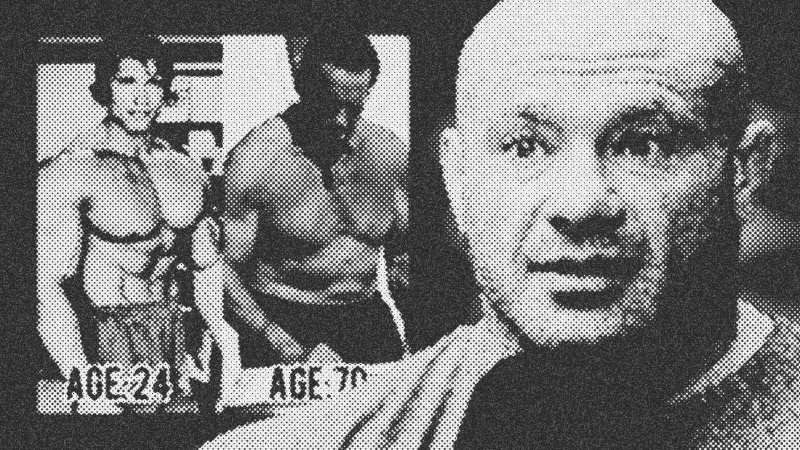
Anabolic substances aren't a guaranteed immediate death sentence, but they represent a high-stakes roll of the genetic dice. Use of these drugs often triggers a cascade of negative health markers: skewed cholesterol levels, elevated blood pressure, and potential mismanagement of insulin. However, the severity of the impact depends heavily on dosage, duration, and personal biology. While figures like Arnold Schwarzenegger remain active in their late 70s, they represent the 'genetically elite' outliers. For the average person, the safer path to longevity involves maintaining a 'normal' musculature for their height and frame rather than chasing extreme size.
Training for the Long Game
Optimizing for lifespan requires a shift from bodybuilder-style volume to efficient, compound movements. Dr. Israetel recommends a minimalist approach: training two to four times per week for 30 to 45 minutes. By focusing on deadlifts, squats, and rows with short rest intervals, you achieve both hypertrophy and cardiovascular benefits. This method avoids the 'overkill' of spending hours in the gym, which can actually detract from life quality while providing diminishing returns for health.
Sleep: The Ultimate System Reset
Sleep acts as the primary stress reducer for the human machine. Most individuals require seven to nine hours to feel genuinely rested. While rare genetic outliers like Jocko Willink may function on less, the vast majority of us cannot bypass the need for a dark, cool, and distraction-free environment. Chronic sleep deprivation doesn't just lower your mood; it actively erodes your cognitive function and reduces your lifespan by preventing the system-wide reset necessary for long-term resilience.
- Arnold Schwarzenegger
- 8%· people
- Big Ramy
- 8%· people
- Chris Bumstead
- 8%· people
- Deadlifts
- 8%· products
- Dianabol
- 8%· products
- Other topics
- 62%
“You’re Rolling the Dice With Steroids” - Dr Mike Israetel
WatchChris Williamson // 14:39
