Rewiring the Addicted Brain: The Science and Psychology of the Sinclair Method
The Hidden Architecture of Alcohol Use Disorder
Understanding alcohol dependence requires moving beyond the narrow lens of moral failure and entering the complex geography of the human brain. Dr. Katie Herzog illustrates a critical distinction in how people interact with alcohol: the divide between those who find it sedating and those who find it euphoric. For many, a glass of wine is a signal to the nervous system to slow down. For the reward drinker, however, alcohol functions more like a stimulant, triggering an endorphin rush akin to a low dose of cocaine. This biological jackpot creates a feedback loop that eventually hijacks the brain's rational decision-making centers.
The tragedy of alcohol use disorder (AUD) is often rooted in this neurological hijacking. While the prefrontal cortex—the seat of our values and long-term planning—knows that a person loves their family or values their career, the midbrain’s reward system becomes fixated on the chemical signal. This explains the painful paradox of the alcoholic: the deep desire to quit coupled with an utter inability to stop. When the brain is in this state, willpower is no longer a functioning tool; it is a broken compass. Recognizing that the brain has been physically altered is the first step toward finding a solution that addresses the biology rather than just the behavior.
The Limitations of Tradition and the Birth of AA
For nearly a century, Alcoholics Anonymous (AA) has served as the primary sanctuary for those seeking sobriety. Founded by Bill Wilson and Dr. Bob in the 1930s, the organization shifted the narrative from alcohol being a moral failing to a medicalized model, often described as a disease. This was a radical act of compassion at the time. Through the PR efforts of Marty Mann, the 12-step program became embedded in the global consciousness as the "gold standard" of recovery.
However, the 12-step model relies heavily on social support, spiritual surrender, and total abstinence. While this community-driven approach is lifesaving for many, it fails a significant portion of the population who are not "joiners" or who find the spiritual elements alienating. More importantly, traditional abstinence programs do not address the alcohol deprivation effect. This phenomenon suggests that for many, periods of forced abstinence actually cause cravings to return with greater intensity, leading to the high recidivism rates seen in many recovery programs. For people like Herzog, who describe themselves as skeptics and non-hypnotizable, the social and introspective demands of AA can feel like a misfit for their specific psychological makeup.
Pharmacological Extinction: The Sinclair Method
The Sinclair Method offers a different path, rooted in the principles of Pavlovian conditioning and neurological unlearning. Developed by John David Sinclair, the method utilizes Naltrexone, an opioid antagonist FDA-approved since 1994. Unlike traditional treatments that demand immediate abstinence, the Sinclair Method requires the individual to take the medication one hour before drinking. The drug sits on the opioid receptors, effectively blocking the "buzz" or euphoric reward that the brain expects from alcohol.
This process is known as pharmacological extinction. By drinking while on the medication, the individual is essentially retraining their brain. Over time, the brain realizes that the expected reward is no longer coming. The chemical obsession that previously occupied 100% of the individual's mental energy begins to dissipate. For Herzog, this process took seven months of regimented adherence. The result was not just a cessation of drinking, but a removal of the mental obsession—a state where the thought of alcohol no longer holds power over the mind. It is a biological solution for a biological problem.
Barriers to Modern Treatment and the Medical Gap
Despite the existence of FDA-approved medications like Naltrexone and Acamprosate, a massive gap remains between clinical evidence and standard medical practice. Many general practitioners receive less than an hour of training on addiction during their medical education. Furthermore, the Sinclair Method is a "tough sell" for the medical community because it involves the counterintuitive instruction to continue drinking during the initial phases of treatment. This creates a perceived legal and moral risk for doctors who have been trained in an abstinence-only framework.
Economic factors also play a role. Because Naltrexone is a cheap, generic drug, there is no pharmaceutical incentive to market it. Meanwhile, the recovery industry remains heavily influenced by 12-step principles that often view medication as a "crutch" rather than a cure. This cultural and economic inertia means that millions of people suffering from AUD are never told about a treatment that has a significantly higher success rate than willpower alone. Breaking this cycle requires a shift toward harm reduction and a willingness to accept that there are multiple paths to health.
The Future of Sobriety and Personal Potential
As we look toward the future, the definition of "recovery" is broadening. We are seeing the rise of elective sobriety and the "sober curious" movement, where individuals like Chris Williamson choose to step away from alcohol not because of a catastrophic "rock bottom," but as a productivity strategy. The world is becoming increasingly aware that even moderate alcohol use can interfere with habit formation, emotional regulation, and deep work.
True growth happens when we remove the obstacles that prevent us from reaching our inherent strength. For some, that obstacle is the constant mental noise of a chemical dependency; for others, it is the subtle drag of a weekly hangover. By utilizing the best of science—whether through medication, community, or mindfulness—we can reclaim the mental bandwidth necessary to pursue a life of purpose. The goal is not just to be sober, but to be free—free from the obsession and free to become the most capable version of ourselves.
- Acamprosate
- 6%· products
- alcohol deprivation effect
- 6%· concepts
- alcohol use disorder
- 6%· concepts
- Alcoholics Anonymous
- 6%· organizations
- Antabuse
- 6%· products
- Other topics
- 72%
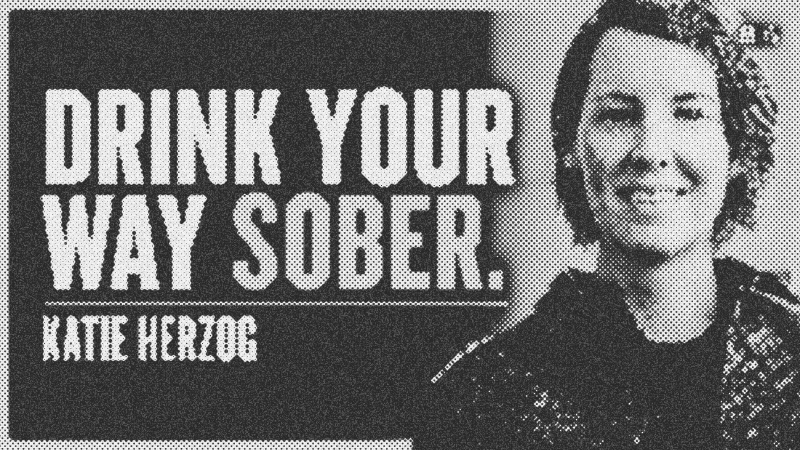
A Controversial New Cure for Alcohol Dependence - Katie Herzog
WatchChris Williamson // 1:32:39
