Fortifying Your Future: A Guide to Building Cognitive Resilience
Cultivating Your Mental Fortress
Protecting your brain is not about avoiding a single villain; it is about building an environment where cognitive health thrives. While we often fear genetic predispositions, our daily choices serve as the primary architects of our neurological destiny. This guide will help you transition from a passive bystander to an active guardian of your brain, providing the tools to mitigate decline and foster deep resilience.
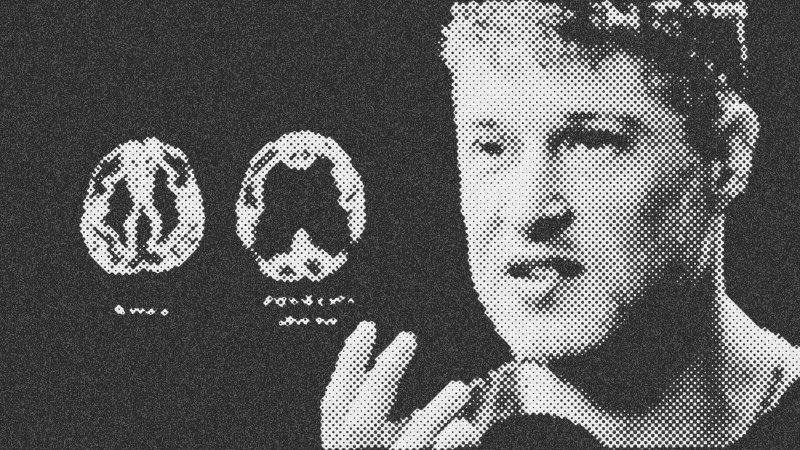
Essential Cognitive Tools
To begin this transformation, you need more than just intent. Gather these foundational elements:
- Prioritized Recovery: A commitment to 7–9 hours of undisturbed sleep.
- Movement Access: Space or equipment for both resistance training and aerobic activity.
- Whole Food Resources: Access to nutrient-dense, unprocessed ingredients like avocados and dark leafy greens.
- Social Connectivity: A network of meaningful, complex human relationships.
Step-by-Step Brain Protection
- Optimize the Biological Rinse: View sleep as your brain’s internal cleaning service. During deep rest, the glymphatic system flushes out amyloid-beta proteins that contribute to neurodegeneration. Shortchange your sleep, and you essentially leave the trash in the hallway.
- Stabilize Your Fuel System: Eliminate ultra-processed foods that trigger insulin resistance. When your body becomes resistant, your brain loses its ability to effectively metabolize glucose. Prioritize high-quality protein and healthy fats to keep your energy systems responsive.
- Build Physical Robustness: Engage in regular resistance training. Physical strength is more than just muscle; it is a direct correlate to cognitive function. Strength training creates a physiological buffer that protects the brain as it ages.
- Expand the Cognitive Reserve: Move beyond simple games like Sudoku. Challenge yourself with complex skills—learning a new language, a musical instrument, or navigating intricate social dynamics. These high-level tasks build "spillover" resilience that protects you across multiple cognitive domains.
Troubleshooting and Persistence
Consistency often fails when we view health as a rigid doctrine. If you struggle with social isolation, focus on physical movement first. If your diet isn't perfect, prioritize sleep. The goal is a cumulative effect, not perfection. Remember, loneliness is as toxic as chronic inflammation; if you feel isolated, seek out community-based learning to hit both social and cognitive targets.
The Outcome of Intentional Living
By following these steps, you are not just avoiding disease; you are maximizing your inherent potential. You will likely experience sharper focus, emotional stability, and a profound sense of agency over your future. Growth happens one intentional step at a time, and your brain is your most valuable partner in that journey.
- Andy Galpin
- 9%· people
- avocados
- 9%· products
- blueberries
- 9%· products
- Chris Williamson
- 9%· people
- DASH diet
- 9%· organizations
- Other topics
- 55%
How To Protect Your Brain From Cognitive Decline - Max Lugavere
WatchChris Williamson // 13:31
