Fatal Design Flaws in the Nex Air UVC Sterilizer
A Promise of Pure Air
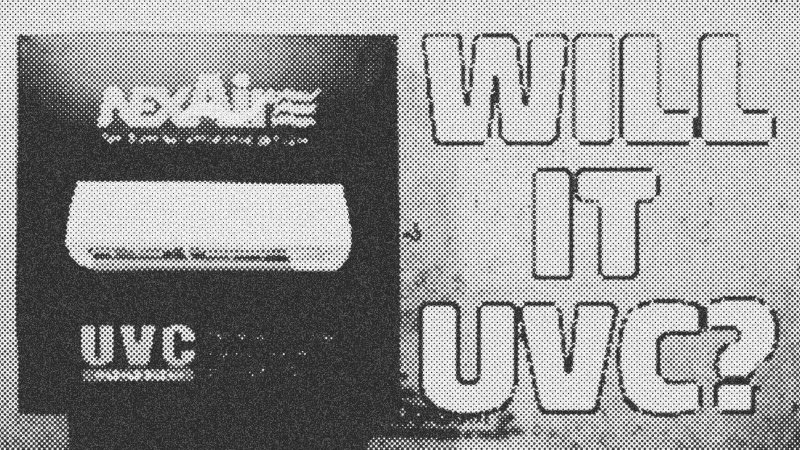
The Nex Air UVC Sterilizer promises a simple solution for mini-split air conditioning systems: a flexible LED strip designed to kill bacteria and prevent mold buildup within the internal unit. It arrives in surprisingly stylish packaging, complete with a magnetic catch and a professional warning label. The kit includes a 12V power supply, alcohol wipes, and a strip that seemingly features high-end UVC LEDs. At first glance, it looks like a legitimate piece of hardware for the health-conscious DIYer.
The Fatal Plastic Shield
Testing with a dedicated UVC meter reveals a catastrophic engineering failure. While the strip glows with a vibrant purple hue, the meter reads a flat zero. UVC radiation requires specific materials like quartz or uviol glass to pass through; standard polymers act as an impenetrable wall. In this case, the clear plastic sleeve intended for moisture protection completely blocks the germicidal wavelengths. The product effectively consumes 12 watts of power to provide nothing more than a decorative purple glow, failing its primary function before the light even leaves the housing.
Dissection and Circuit Analysis
Cutting open the sealed sleeve reveals the irony of the situation. Beneath the plastic, the strip actually utilizes genuine, gold-colored UVC LEDs. Once exposed, these components put out a strong, measurable signal. However, the circuit design raises further concerns. A teardown of the internal schematic shows the LEDs running at a ferocious 48 milliamps. This high current generates significant heat, likely shortening the lifespan of these expensive components. While the 12V power supply appears reasonably built with decent isolation and filtering, it powers a flawed system.
The DIY Verdict
This device stands as a bizarre artifact of pandemic-era manufacturing. The makers spent the money on legitimate UVC components but neglected the basic physics of light transmission. If you already own this unit, the only way to make it functional is to carefully remove the LED strip from its plastic coffin and mount it bare in a dry area. As shipped, the Nex Air UVC Sterilizer is a masterclass in how a single oversight can turn expensive hardware into useless e-waste.
- Nex Air UVC Sterilizer
- 40%· products
- AliExpress
- 20%· products
- TL431
- 20%· components
- UVC LED
- 20%· components
Perplexing UVC steriliser design
Watchbigclivedotcom // 10:44

The trashiest electronic channel on YouTube. We test and use affordable electronic soldering equipment and tools to build, teardown, modify (and sometimes destroy) random electronic stuff. A British TV licence is NOT required to view my videos or almost every other video on YouTube. Many of the builds and projects featured here operate at full mains voltage and carry a high risk of shock and fire. As such they're really intended for either entertainment value or for those who do similar stuff. The videos are generally uncensored and may contain tasteless jokes, profanities and even blood and electric shocks when things go wrong. So just like a normal workshop really. So kick back, grab a beer and enjoy the ride.