The Failed Escape and Hardened Reality of Wade Wilson
The Midnight Plan That Crumbled
In the quiet hours of the night, Wade Wilson and his cellmate orchestrated what they believed was a flawless exit strategy. They meticulously coordinated for a getaway car to arrive at the prison perimeter at 2:00 a.m., marking the start of their short-lived dreams of freedom. The duo focused their efforts on a specific window, slowly dismantling the physical barriers between their cell and the outside world. This was not a spur-of-the-moment decision but a calculated attempt to bypass state security, though it lacked a fundamental understanding of physical reality.
Structural Barriers and Tactical Errors
When deputies received a tip about the plot, they discovered a scene of amateur engineering. The window's metal frame lay removed, and the security glass bore heavy cracks from repeated tampering. However, the plan suffered from a fatal flaw: the narrow opening was physically impossible for a person of Wade Wilson's stature to pass through. Rather than finding a path to freedom, the attempt resulted in fresh charges of criminal mischief and attempted escape, deepening the legal hole Wilson had already dug for himself.
Radicalization Behind the Wire
As his legal troubles mounted, Wilson sought protection and identity within the prison's social hierarchy by joining The Unforgiven. This Florida-based white supremacist gang demands a high level of commitment, reflected in its aggressive iconography. The group's primary symbol—an iron cross interlaced with a swastika and the Nazi SS—signifies a total rejection of societal norms. Wilson’s affiliation signaled a shift from an isolated inmate to a radicalized member of a notorious brotherhood.
The Permanent Mask of Sanity
This transformation culminated in several prominent face tattoos, which presented a unique challenge for his legal defense. His attorney initially considered using makeup to mask the extremist symbols during court appearances to avoid biasing the jury. Upon realizing that cosmetic cover-ups were insufficient for the bold ink, the defense team pivoted their strategy. They decided to lean into the visual impact of the tattoos, utilizing his radical appearance to bolster an argument for insanity, turning his permanent choices into a centerpiece of the trial.
- Wade Wilson
- 50%· people
- Florida
- 25%· places
- The Unforgiven
- 25%· organizations
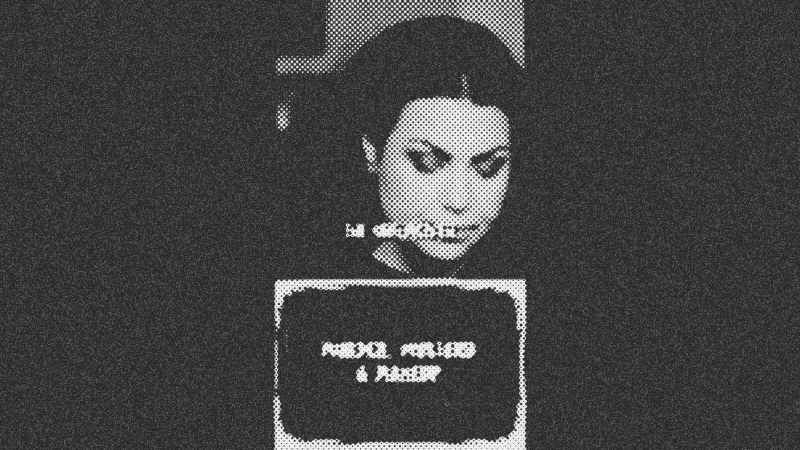
Becoming the Deadpool killer - a daring escape and face tattoos
WatchBailey Sarian // 1:33

Hi my name is Bailey Sarian and I am here to talk about History, True Crime & Makeup. Yes its an odd combination, but I am a curious cat myself and love learning. Im here to share stories, gain knowledge, enjoy makeup, and tell stories. Hope you have a good day and make good choices xo ☆ M Y S O C i A L S H E R E : https://linktr.ee/baileysarian ♡