AI Consulting: Turning Project Context into Radical Innovation
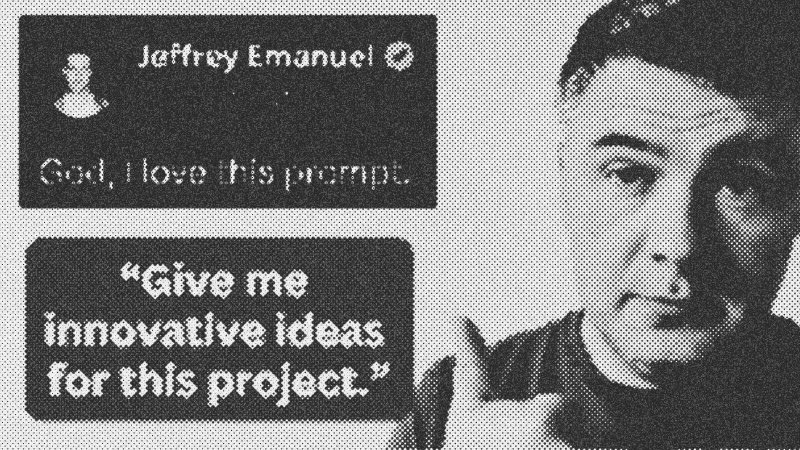
The Strategy of the Vague Prompt
Modern software development increasingly shifts focus from how to build toward what to build. A single, intentionally vague prompt can act as a high-level consultant when pointed at a local codebase. By asking
for the "single smartest and most radically innovative" addition to a project, developers bypass the limitations of specific feature requests. This approach forces the AI to analyze the existing directory structure and business logic to identify gaps in value rather than just syntax errors.
Contextual Awareness Across Project Types
Testing this prompt across diverse environments—from
proposes adaptive co-pilots that maintain individual user roadmaps, moving beyond generic search functionality.
Claude Code / Codex Gave Me 10+ Ideas For My Projects
The Technical versus Strategic Pivot
Adjusting the prompt to emphasize "technical code change" transforms the output from high-level business strategy to immediate implementation. Tools like
often remains in a consultative state, offering a checklist of files to modify. This distinction is critical for developers who want to maintain control over their architecture while seeking a fresh perspective.
Shifting Toward Personalized Experiences
A recurring theme across these AI-driven audits is the move away from global search and traditional web browsing. The agents consistently suggest individual, personal solutions—like
-specific code assistants or searchable prompt libraries. Users in 2026 demand tools that interpret their specific needs rather than requiring them to navigate scattered documentation. Utilizing AI as a regular discovery partner ensures projects evolve into these highly specialized, high-value systems.