Beyond the Syntax: The New Frontier of AI Code Review
From Syntax Errors to Logic Flaws
We have moved past the era where Large Language Models (LLMs) struggled with missing semicolons or broken imports. Today, tools like Claude Code possess the self-correction capabilities to fix failing tests and resolve technical debugging issues before the developer even sees the draft. This shift means the traditional line-by-line syntax check is becoming obsolete. Instead, we must focus on conceptual integrity. The risks have migrated from the code being "broken" to the code being "wrong" in its fundamental assumptions about what the software should actually do.
The Rise of Silent Assumptions
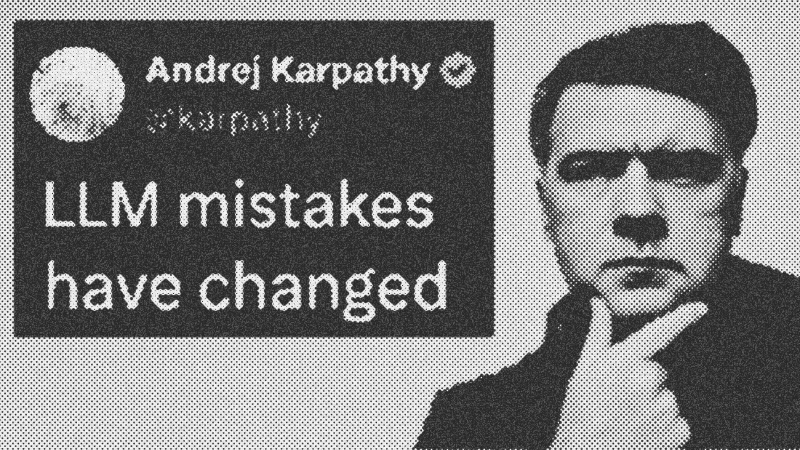
When we offload larger tasks to AI agents, they frequently make executive decisions on our behalf without asking for clarification. Andrej Karpathy identifies these as subtle conceptual errors. For instance, an AI might decide that a default week starts on Monday or set a serving size to two in a meal-planning app. These aren't technical bugs; the code executes perfectly. However, they represent significant business logic decisions that might conflict with the actual project requirements. If you aren't reviewing for these opinionated defaults, you are effectively letting the model dictate your product's user experience.
Reviewing the Business UX
Effective code review now requires clicking through the application and scrutinizing the generated tests rather than just reading the script. You might find that an AI added restrictive Middleware (like mandatory email verification) to a route where it doesn't belong. This isn't a technical error—it’s a business logic flaw. We need to transition our mental energy from "does this compile?" to "does this behave correctly for our users?"
The Strategic Human Oversight
While "plan mode" in modern tools is improving, humans remain the final authority on intent. We must treat AI-generated code like a junior developer who is technically brilliant but lacks any context of the real world. By focusing on how ingredients combine or how routes are structured, we ensure the software serves the business, not just the compiler. The future of development isn't about writing code; it's about auditing the decisions made during its creation.
- Andrej Karpathy
- 33%· people
- Claude Code
- 33%· products
- Middleware
- 33%· software
We Need to Review AI-Written Code Differently Now
WatchAI Coding Daily // 4:32

This channel is not for vibe-coders. It's for professional devs who want to use AI as powerful assistant, while still keeping the control of their codebase. My name is Povilas Korop, and I'm passionate about coding with AI. So I started this THIRD YouTube channel, in addition to my other ones Laravel Daily and Filament Daily. You will see a lot of my experiments with AI: I will try new things and share my discoveries along the way.