Uncovering the Ghostly Legacy of Saipan and Tinian
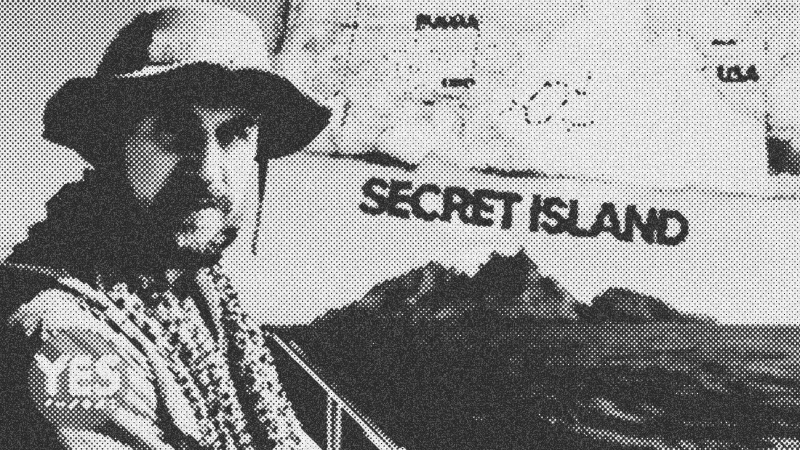
The map shows a tiny speck in the middle of the Pacific, a US territory so obscure that most Americans couldn't point to it on a globe. Northern Mariana Islands feels like a secret kept by the ocean itself. Touching down in Saipan after a logistical nightmare of flight cancellations and bureaucratic confusion, the air feels heavy, not just with tropical humidity, but with the weight of unrecorded history. This isn't just a paradise of turquoise waters; it is a massive, open-air museum where the rusted remains of Japanese tanks sit on white sand beaches, and the ghosts of World War II linger in every limestone cave.
The Forgotten Outpost of America
Arrival in Saipan feels like entering a glitch in the American matrix. You are on US soil, yet there are no direct flights from the mainland. The primary languages spoken by locals are Chamorro and Carolinian, ancient tongues that predate the stars and stripes by millennia. The geopolitics here are complicated. The islands serve as a vital strategic link in the Pacific, yet the average citizen in Hawaii or California has likely never heard of them. This disconnection creates a unique atmosphere where local culture and military history have fused into something entirely separate from the rest of the country. Exploring the 12-mile stretch of Saipan, you quickly realize that the beauty of the island is constantly at odds with its violent past.
The Descent into Suicide Cliff
Driving north, the landscape shifts from lush sugarcane fields to jagged limestone cliffs. This is where the narrative of the island takes a dark, heartbreaking turn. At Suicide Cliff, the wind howls against the rocks where thousands of Japanese civilians and soldiers jumped to their deaths in 1944. They chose the abyss over surrender, fueled by propaganda that painted US Marines as monsters. Standing on the edge, looking down at the crushing waves, the tragedy feels immediate. It isn't just a statistic in a textbook; it is a physical site where parents threw their children before following them into the surf. The nearby Japanese memorial serves as a somber reminder of the 29,000 Japanese personnel who perished here, an almost total annihilation of the forces holding the island.
A Living Time Capsule Named David
Just as the weight of the history becomes overwhelming, a chance encounter at a local diner changes everything. Meeting David Sablan, a 94-year-old Chamorro elder, is like finding a bridge back to 1944. David doesn't just remember the war; he survived it inside a cave for three weeks while the world burned around him. His house is a sanctuary of memories, filled with photos of the three US Marines who discovered his family's hiding spot. He describes his father, a man who spoke English in a land of Japanese speakers, being recruited as a translator to help bridge the gap between enemies. David’s resilience and lack of bitterness are staggering. He speaks of a "degree of success through curiosity," a philosophy that allowed him to transition from a war-torn child to a successful businessman and DJ. His story provides the human face to the geopolitical shifts that reshaped the Pacific.
The Atomic Ghost Town of Tinian
If Saipan is about the struggle for survival, the neighboring island of Tinian is about the machinery of destruction. A short flight on a tiny four-seater plane leads to an island that feels abandoned by time. Tinian once housed the largest airbase in the world, serving as the launching point for the B-29 Superfortress bombers. We trekked through the thick wilderness to find the Atomic Bomb Pits. These are the exact locations where "Little Boy" and "Fat Man" were loaded into planes before being dropped on Hiroshima and Nagasaki. Standing inside the pits, you are standing at the epicenter of the nuclear age. The silence is deafening. This small, forgotten island was the stage for the most cataclysmic event in human history, yet today, it is reclaimed by jungle and rust. The contrast between the peaceful, empty airstrips and the global terror they birthed is jarring.
The Echoes of Atrocities and Reconciliation
To truly understand why these stories remain untold, we sought out Don Farrell, a local historian who has spent decades documenting the region. He explains that the secrecy surrounding the Manhattan Project and the subsequent Cold War strategic importance of the Marianas kept much of this history under wraps. He speaks of the atrocities committed against the local population—stories that many Americans have never heard. Yet, through his research and the lived experiences of people like David, a path toward reconciliation has emerged. Japan is now a primary ally, and the islands serve as a reminder that the most brutal conflicts can eventually lead to enduring peace. The lesson here is simple: ignoring history doesn't make it disappear. It only makes the eventual discovery of the truth more profound.
Reflections from the Mariana Trench
The journey through the Northern Marianas is a reminder that the world is much larger and more complex than our maps suggest. Beyond the luxury resorts and tourist hubs lie places that have shaped the very fabric of our modern existence. These islands demand a certain level of respect and a willingness to look beyond the surface. Whether it's snorkeling over a sunken Japanese Zero fighter or listening to an elder recount the sound of naval shelling, the experience is visceral. Travel, at its best, is about this kind of immersion—the kind that leaves you feeling small, humble, and infinitely more aware of the threads that connect us all across time and tide.
- Atomic Bomb Pits
- 10%· places
- B-29 Superfortress
- 10%· products
- David Sablan
- 10%· people
- Don Farrell
- 10%· people
- Northern Mariana Islands
- 10%· places
- Other topics
- 50%
Dark Secrets Hidden in America’s Most Isolated Islands (nobody comes here)
WatchYes Theory // 38:23

We believe that life's greatest moments and deepest connections exist outside your comfort zone. Brand Partnerships: [email protected] Fan Emails: [email protected] Seek Discomfort: https://www.seekdiscomfort.com