Chasing Shadows in the Mountains of Tokyo
The Neon Gate to the Underground
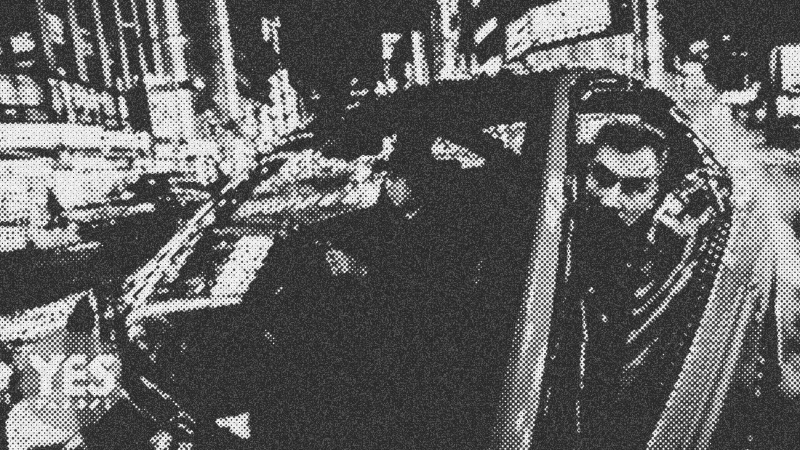
The sun dips below the Tokyo skyline, and a different kind of energy hums through the pavement. Most visitors see the gleaming towers of Shibuya and the quiet temples of Kyoto, but I’ve always been drawn to the stories that live in the peripheral. This journey begins at the legendary
The Ghost of the Drift King
To understand why people risk their livelihoods for a controlled slide, you have to look back at
Adrenaline on the Mountain Pass
Deep in the mountains, the city lights are a distant memory. We find ourselves on an abandoned stretch of asphalt with no streetlights and zero cell service. The tension is thick. These drivers aren't wealthy heirs; they are office workers and mechanics who spend every spare yen on custom suspensions and tires. They do the work themselves because passion outpaces their bank accounts. The peace of the forest is shattered by the scream of engines. Suddenly, a rival drifting team appears out of the darkness. What started as a practice session transforms into a high-stakes standoff. The atmosphere shifts from technical practice to a raw display of skill and territorial pride.
Living on the Red Line
The climax arrives when I’m strapped into the passenger seat of a car that feels more like a mechanical beast than a vehicle. The driver doesn't hesitate. We enter the first bend at a speed that defies logic, the car pitching sideways as the tires lose their grip on reality. The smell of smoke fills the cabin, and the world outside the window becomes a blur of dark trees and concrete barriers. There is no room for error. One driver rips his tire completely off the rim, the metal grinding against the pavement in a shower of sparks. In that moment, the danger isn't theoretical—it’s rattling my teeth.
The Lesson of the Slide
As the engines finally cool and the mountain returns to its quiet state, the reality of the experience sets in. This subculture is shrinking. Police crackdowns and changing social norms are pushing these drifters further into the fringe. Yet, they remain. They don't do this for fame or money; they do it for a community bond that only exists when you trust another person with your life at 100 km/h. It’s a reminder that travel is about more than sightseeing. It’s about finding the people who care about something so deeply it borders on obsession. Whether it's a mountain pass in Japan or a hidden trail in the Andes, the goal is the same: find what makes you feel alive and chase it with everything you have.