The Swiss Escape: Fact-Checking the Village That Pays You to Move There
The internet loves a too-good-to-be-true travel story. We've seen the headlines about €1 houses in rural Italy and abandoned homes in Japan, but few claims have gained as much viral traction as the legend of Albinen, a tiny Swiss village nestled in the mountains that supposedly pays outsiders a small fortune to relocate. For a solo traveler seeking authenticity, these headlines represent more than just a bargain; they represent a potential life reboot. However, the reality of these rural revitalization programs is often buried under layers of clickbait and administrative fine print.
The Roots of a Rural Crisis
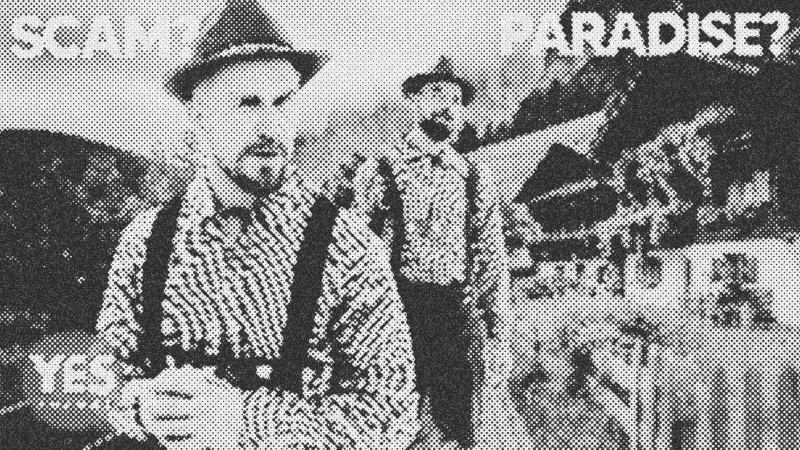
Albinen is no modern tourist trap. It is a medieval village with over 800 years of history, listed as a Swiss heritage site for its 17th-century wooden chalets. Until the 1960s, the village lived in total isolation, connected to the world only by footpaths and often cut off by snow for weeks. As traditional agriculture failed to sustain a modern economy, the younger generation fled for the cities. By 2017, the population had dwindled so significantly that the local council faced a terminal threat. The cash incentive program was born out of desperation to keep a historical way of life from vanishing entirely. It wasn't a marketing stunt; it was a survival mechanism.
Deciphering the Fine Print
Social media posts often lead with the figure of 70,000 Swiss Francs, but they conveniently omit the steep entry requirements. To qualify for the cash, applicants must be under the age of 45 and possess a valid Swiss C residence permit. The most significant barrier is the financial commitment: you must buy or build a home in the village valued at a minimum of 200,000 Swiss Francs. Furthermore, the commitment is not for a summer sabbatical; residents must stay for at least ten years or they are legally required to pay back the incentive in full. This isn't free money; it is a mortgage subsidy for a long-term investment in a remote community.
Life Off the Beaten Path
The practical reality of living in Albinen is a stark contrast to the digital nomad dream. The village lacks a bank, a post office, and a school. There is a single shop, one pub, and a bus that passes through once an hour. For someone like Sean, a stranger from Atlanta who joined the Yes Theory team to investigate the claim, the culture shock is immediate. Moving here means trading the convenience of a supermarket for the stillness of the Alps. It requires a fundamental shift from a consumer-driven lifestyle to a pastoral one, where the most exciting social event might be a coffee with a local legend like Maurice.
The Human Element of Migration
While the financial terms are rigid, the social landscape of these villages is surprisingly fluid. Many outsiders fear being ostracized in tiny, remote towns, yet the residents of Albinen demonstrate a surprising openness to those who arrive with genuine intentions. Locals like Steven and Vivian highlight that the village isn't looking for tourists; they are looking for neighbors. The success of such a move depends less on the cash incentive and more on the individual's ability to provide "positive energy" and integrate into a tight-knit social fabric. The historical Albinen Ladders, once the only way into the village, serve as a perfect metaphor for the grit required to make a life here. It's a steep climb that requires focus and a lack of fear regarding the unknown.
Implications for Future Travelers
Programs like the one in Albinen are becoming a global trend as rural depopulation accelerates. From Spain to Greece, small towns are experimenting with similar incentives. For the budget traveler, these offers are a reminder that the world is still large and full of pockets looking for fresh blood. However, they are not "hacks" for a free vacation. They are serious invitations to participate in the preservation of human history. The real value isn't the 25,000 Swiss Francs per adult; it's the opportunity to live in a place where people still know their neighbors' names and the air tastes like mint and honey.
- Albinen
- 31%· places
- Albinen Ladders
- 6%· places
- Atlanta
- 6%· places
- Greece
- 6%· places
- Maurice
- 6%· people
- Other topics
- 44%
This Village Pays You $70,000 To Move There (is it a scam?)
WatchYes Theory // 27:27

We believe that life's greatest moments and deepest connections exist outside your comfort zone. Brand Partnerships: [email protected] Fan Emails: [email protected] Seek Discomfort: https://www.seekdiscomfort.com