is deceptive. One moment, the Pacific is a tranquil, sapphire expanse; the next, it is a churning beast that makes a tiny fishing vessel feel like a toothpick. This was the reality for the
. The goal was to reach one of the most remote volcanic outposts on Earth, but the ocean had other plans. When the captain announced they had run out of fuel in the middle of a bird sanctuary, the mission shifted from a documentary project to a high-stakes survival ordeal.
Into the Deep Pacific
The journey began with a mix of sleep-deprived excitement and a healthy dose of trepidation.
man who grew up on these remote shores. Despite the collective expertise on board, the sheer scale of the Pacific Ocean is a humbling force. As the team moved further from
, the 36,000-foot drop to the ocean floor below served as a constant reminder of their vulnerability.
Actually Stranded on a Deserted Island for 42 Hours (real emergency)
The Fuel Crisis at Guguan
Nine hours into the swell, the engine’s rhythm changed, and the captain delivered the news every traveler fears: the boat had burned through fuel at an alarming rate and could no longer reach the destination or return home. They were forced to anchor near
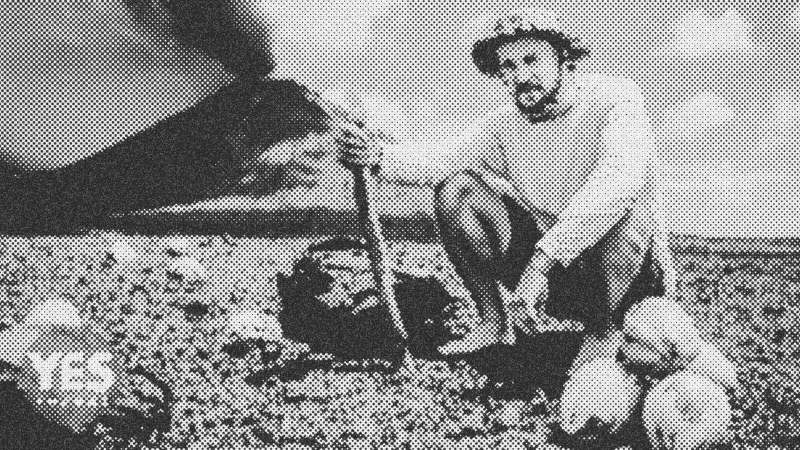
, an uninhabited, rocky island that serves as a protected bird sanctuary. With the sun setting and the swells growing too dangerous for a deep-water crossing on reserve fuel, the team faced a grim choice. They could risk drifting into the open Pacific, or they could climb onto the jagged, inhospitable cliffs of
was not a matter of white-sand beaches and swaying palms. It was a vertical scramble up volcanic rock to find a flat surface. The team spent the night exposed to the elements, without sleeping bags or shelter, on a terrain crawling with giant coconut crabs. These "monsters," as
found himself sleeping on bare rock after his mattress exploded, watching the stars and realizing that their safety depended entirely on a radio signal reaching the
transformed from a crew member into a guide through his family's history. He showed them how to hunt for wild pigs, harvest coconuts, and extract "tuba," a traditional coconut wine. For the travelers, they were stranded; for
, he was exactly where he belonged. This realization underscored the beauty of travel hacks that don't involve apps or credit cards, but rather the human resourcefulness of local wisdom.
set up a makeshift cinema using a projector he had carried in his pack, showing old Japanese films about the very islands they were currently inhabiting. They sat in the dark, surrounded by the ghosts of abandoned villages and the rustle of the jungle, waiting for the fuel ship that
had dispatched. It was a reminder that even in an emergency, there is room for community and wonder.
Lessons from the Uninhabited
When the rescue boat finally appeared on the horizon after 42 hours, the relief was palpable, but it was tempered by a new perspective on what it means to be truly lost. The team had survived by leaning into the expertise of those who call the wilderness home. The experience reaffirmed the
mantra: life’s greatest stories exist beyond the comfort zone, often in the moments where things go spectacularly wrong. Travel isn't just about the destination; it’s about the resilience found when the engine stops and the only way forward is to trust the person sitting next to you on a rock in the middle of the ocean.