Navigating the Redline: Strategic Maneuvering in High-Stakes Skiff Racing
Overview: The Channel Pressure Cooker
Victory in high-performance skiff racing is rarely about straight-line speed; it is about the courage to execute maneuvers in confined spaces. The recent RS 800 race in Chichester Harbour served as a masterclass in tactical adaptation. Forced into the main Amazon Channel due to heavy winds in the bay, competitors faced a "low water" scenario that stripped away the luxury of space. This wasn't just a race; it was a high-speed chess match played on a narrowing board where the margin for error was measured in inches.
Key Strategic Decisions: Shallow Water Tactics
The start line demanded immediate commitment to the left-hand side. While Rob Gullen took an aggressive line to the right to utilize the wider real estate at the base of the beat, most of the RS 800 fleet prioritized the shallower water near the moorings. By hugging the left, sailors minimized the impact of the outgoing tide. This trade-off—sacrificing clear air for reduced current resistance—is the hallmark of a resilient tactician who understands that the environment is as much an opponent as the other boats.
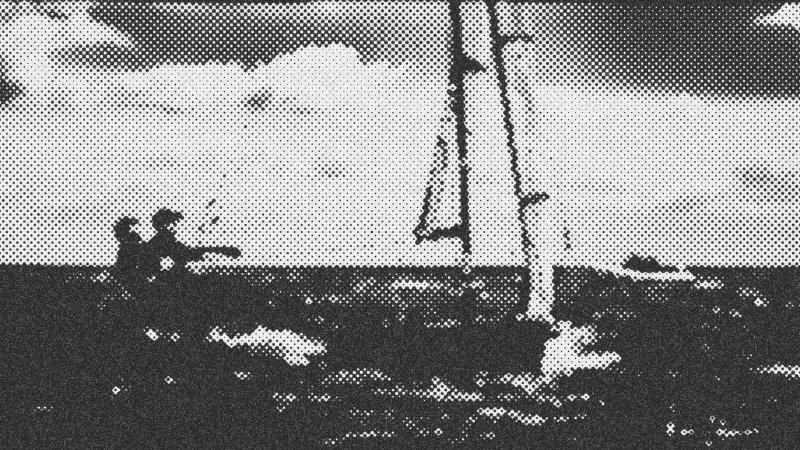
Performance Breakdown: The Art of the Five-Second Set
Transitioning from the windward mark to the downwind leg provided the ultimate test of boat handling. In the narrow channel, the crew had exactly five to six seconds after hoisting the spinnaker before they were forced to jibe to avoid the shallows. This level of intensity requires a symbiotic relationship between helm and crew. We saw boats hitting 17 knots in flat water, a speed that turns even a minor delay in kite handling into a catastrophic grounding. Performance here was defined by technical precision under extreme cardiovascular load.
Critical Moments: The Cost of Indecision
Disaster struck during a high-speed encounter with an OK Dinghy. A moment of hesitation—questioning whether to go above or below the slower craft—led to a tactical paralysis that resulted in a capsize. In skiff racing, a "ditch" is often the only way to avoid a collision, but it carries a heavy price. This specific incident cost roughly 80 seconds, highlighting that in channel racing, a decisive wrong move is often better than a delayed right one. The recovery, however, showed mental resilience, as the team stayed focused on the remaining lap despite the spinnaker snagging.
Future Implications: The Road to the Nationals
This harbor session serves as the perfect psychological forge for the upcoming RS 800 Nationals at Weymouth. The pressure of maneuvers, the constant threat of the shore, and the need for rapid-fire communication are all skills that translate directly to championship-level racing. Sailors who can maintain their composure when the channel narrows will always have the edge over those who only practice in the open bay. Trust your training, execute the plan, and never let the terrain dictate your fear.
- RS 800
- 18%· products
- 29er
- 9%· products
- Amazon Channel
- 9%· places
- Chichester Harbour
- 9%· places
- Flying 15
- 9%· products
- Other topics
- 45%
Intense Channel Race in the RS 800
WatchTHE FOIL // 16:26

The Foil is a new wave of racing media. We are a fresh, all-new, proudly independent digital media brand dedicated to the sport of sail racing. Our focus is centred around the major peaks of the international sport: SailGP, the America’s Cup and the Olympic Games, plus offshore classes and events, and the diverse wider world of sailing competitions that take place around the globe. Become a member now: https://www.youtube.com/@WeAreTheFoil/join