Collision Course: Tactical Analysis of the Perth SailGP Incident
The Grey Area of Right-of-Way
Victory in high-stakes racing hinges on split-second decisions within the "grey area" of acquiring right-of-way. During the Perth, the collision between the Black Foils and the Swiss SailGP Team exposed the dangers of these transitionary moments. While the Swiss held the starboard advantage, the rules demand they provide "room" for the port boat to avoid impact. In the heat of the maneuver, the definition of room becomes a tactical weapon or a fatal trap. If you force a competitor into a position where they must collide immediately upon your change of course, you haven't just raced hard; you've failed the fundamental test of seamanlike conduct.
Communication Failures and Acceleration
Onboard the Swiss vessel, a critical breakdown in cockpit communication exacerbated the crisis. Sébastien Schneiter and Nathan Outteridge appeared to fight for control of the helm. While Outteridge attempted to slow the turn to avoid the Black Foils, Schneiter’s input on the opposite hull accelerated the rotation. This lack of a unified command structure turned a near-miss into a devastating impact. In elite sports, your internal communication must be faster than your boat speed. If the crew isn't executing a single, cohesive plan, the machinery becomes a liability.
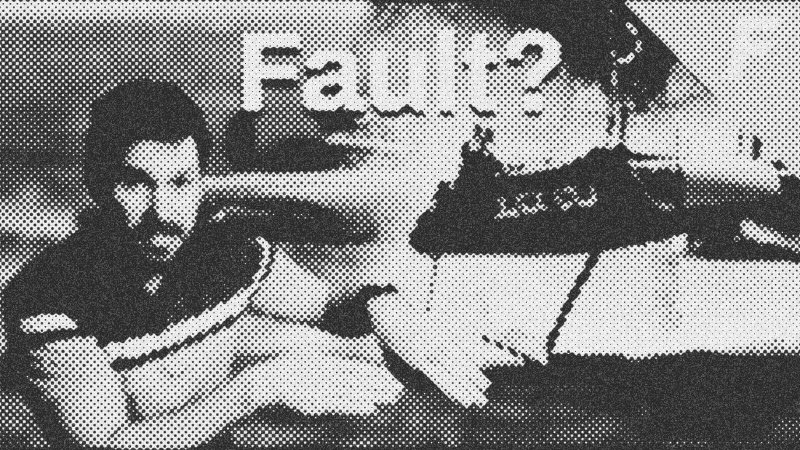
Strategic Awareness and the No-Man's Land
Peter Burling found himself trapped in a tactical "no-man's land." He sat leeward of the Swiss for half a leg, positioned too close to prevent a jibe but too far to react comfortably if they did. This lack of situational awareness left the Black Foils vulnerable. To stay on the foils in modern SailGP racing, a skipper must anticipate the competition's move before it happens. Burling's hesitation to drop his foil and accept a "splashdown" led to the collision. In leadership, sometimes you must sacrifice temporary momentum—losing positions—to save the entire campaign.
Rule 2026: The Penalty Paradox
A last-minute update to the SailGP 2026 rules completely altered the championship landscape. Despite being at fault, the Black Foils avoided season-altering penalty points because the new regulations require two instances of damage before championship deductions apply. This leaves the Swiss SailGP Team in a precarious position—ruled in the right, yet effectively punished more severely by their inability to finish the event. It’s a stark reminder that staying informed on the evolving rulebook is as vital as the physical training on the water.
- Black Foils
- 33%· companies
- SailGP
- 17%· tv shows
- Swiss SailGP Team
- 17%· companies
- Nathan Outteridge
- 8%· people
- Perth
- 8%· places
- Other topics
- 17%
Was Burling really at fault? Perth SailGP collision explained
WatchTHE FOIL // 8:31

The Foil is a new wave of racing media. We are a fresh, all-new, proudly independent digital media brand dedicated to the sport of sail racing. Our focus is centred around the major peaks of the international sport: SailGP, the America’s Cup and the Olympic Games, plus offshore classes and events, and the diverse wider world of sailing competitions that take place around the globe. Become a member now: https://www.youtube.com/@WeAreTheFoil/join