The Power Paradox: Analyzing Patriot's Recumbent Risk
Tactical Overview: The Recumbent Gamble
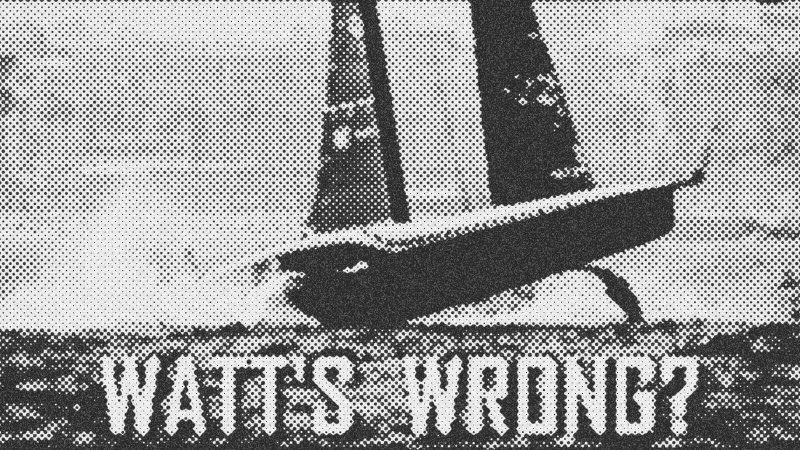
American Magic has pivoted away from traditional upright cycling to a recumbent setup for their Patriot yacht. This strategic choice aims to minimize aerodynamic drag by reducing the vessel's frontal area and freeboard. While the physics suggests a faster hull, the human element remains the primary variable. Upright cycling typically offers a 10% efficiency advantage, yet American Magic relies on the fact that their power team—mostly former rowers—is naturally adapted to leg-dominant power in a seated or horizontal position.
Mechanical Synergy and Inertia
Analysis of the drivetrain reveals a "fixie" style tandem setup. Without a traditional freewheel, the cyclors are perpetually linked, meaning one cannot stop without the other. To compensate for the lack of a traditional flywheel, the team likely employs massive, heavy stainless steel chainrings. These "dinner plates" act as a synthetic momentum builder, smoothing out the resistance that occurs when pumping hydraulic oil, which offers no natural inertia compared to road cycling.
Performance Breakdown: The Tacking Deficit
During recent engagements against INEOS Britannia, Patriot exhibited significant VMG losses during maneuvers. Data shows the yacht exiting tacks at a 60-degree true wind angle—a deep "press" to rebuild speed. This suggests the crew lacks the hydraulic pressure to adjust the Cunningham and mainsheet aggressively. Instead of powering up the sail through controls, they must bear away from the wind to find speed, sacrificing distance for velocity.
Future Implications for Match Racing
If the recumbent setup creates a power ceiling, American Magic will struggle in close-quarters dogfights. Opponents who recognize this fatigue will initiate tacking duels to drain the Americans' hydraulic reserves. Success now depends on whether the aerodynamic gains from the low-profile hull can outweigh the tactical inflexibility of a power-limited maneuverability package.
- American Magic
- 33%· companies
- Patriot
- 22%· products
- Global Cycling Network
- 11%· companies
- INEOS Britannia
- 11%· companies
- Michael Menninger
- 11%· people
- Tom Slingsby
- 11%· people
Does Patriot have a power problem?
WatchTHE FOIL // 12:04

The Foil is a new wave of racing media. We are a fresh, all-new, proudly independent digital media brand dedicated to the sport of sail racing. Our focus is centred around the major peaks of the international sport: SailGP, the America’s Cup and the Olympic Games, plus offshore classes and events, and the diverse wider world of sailing competitions that take place around the globe. Become a member now: https://www.youtube.com/@WeAreTheFoil/join