Anatomy of a Failure: The INEOS T6 Capsize and Tactical Breakdown
Overview of the Inversion
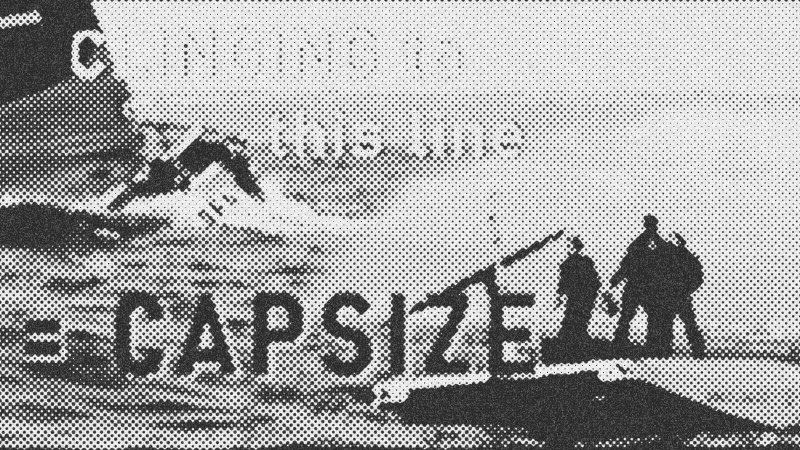
Victory in elite sailing requires more than just speed; it demands absolute control over the platform. The recent capsize and full inversion of the INEOS T6 test boat marks a significant failure in technical execution and recovery protocols. While most teams in this America's Cup cycle have experienced standard capsizes, the INEOS Britannia incident escalated into a "full turtle" event. This wasn't a simple mistake—it was a cascade of electronic failures and manual interventions that overwhelmed the crew’s ability to stabilize the vessel.
Systemic Electronics Failure
The crisis began with a massive systems failure after a heavy splash-down. When the electronics died, the crew lost the ability to adjust the Mainsail trim and foil positions. Unlike American Magic, which utilizes a fail-safe to drop both foils for maximum stability during recovery, the INEOS Britannia port foil remained locked in the raised position. This created an immediate, weighted lever-arm that pulled the boat toward a secondary capsize the moment it reached an upright position.
The Role of Manual Intervention
In a desperate bid to manage the unpowered rig, Ben Ainslie took an unorthodox position hanging off the transom. Tactical analysis shows him using a blade to cut the main sheet, yet this move was incomplete. While the primary sheet was severed, the "skirting lines"—secondary attachments holding the lower sail to the traveler—remained intact. Furthermore, Ben Ainslie held onto the traveler take-up system manually. As the boat rose, his tension on the traveler actually backed the sail into the wind, providing the final lateral force needed to roll the boat back over into a terminal inversion.
Critical Moments and Safety Breaches
The performance breakdown intensified when a crew member opened a hatch while the boat was still unstable. In high-stakes coaching, we emphasize that safety protocols are non-negotiable until the platform is secured. Opening a hatch on a compromised vessel invited the risk of water ingress, which likely accelerated the transition from a capsize to a full inversion. Additionally, the mast rotation remained locked to port, effectively turning the sail into a fixed wing that the crew could not depower.
Future Implications for the Campaign
This disaster wipes out the momentum INEOS Britannia built during their successful January sessions. The damage to the INEOS T6 is extensive, involving trashed mainsail skins and fried electronics. For the team to recover, they must re-evaluate their fail-safe logic. Strategy is nothing if your hardware isn't resilient enough to survive a standard recovery. The lesson here is clear: in the absence of power, manual intervention must be perfectly synchronized, or it becomes the very thing that sinks you.
- INEOS Britannia
- 27%· companies
- Ben Ainslie
- 18%· people
- INEOS T6
- 18%· products
- America's Cup
- 9%· tv shows
- American Magic
- 9%· companies
- Other topics
- 18%
INEOS Capsize Dissected: Did Ben cause catastrophe?
WatchTHE FOIL // 16:57

The Foil is a new wave of racing media. We are a fresh, all-new, proudly independent digital media brand dedicated to the sport of sail racing. Our focus is centred around the major peaks of the international sport: SailGP, the America’s Cup and the Olympic Games, plus offshore classes and events, and the diverse wider world of sailing competitions that take place around the globe. Become a member now: https://www.youtube.com/@WeAreTheFoil/join