Mastering the Chaos: A Tactical Breakdown of the Christchurch SailGP Final
Strategic Overview of the Christchurch Final
The Christchurch final delivered a masterclass in high-stakes decision-making and the psychology of competitive racing. Phil Robertson and Canada SailGP Team secured the win not through a flawless performance, but through a superior grasp of course geometry and tactical aggression. This regatta highlighted the fine line between human error and technical brilliance, proving that in elite foiling, the ability to recover from a mistake is just as vital as the initial game plan.
The Art of the Double Gain
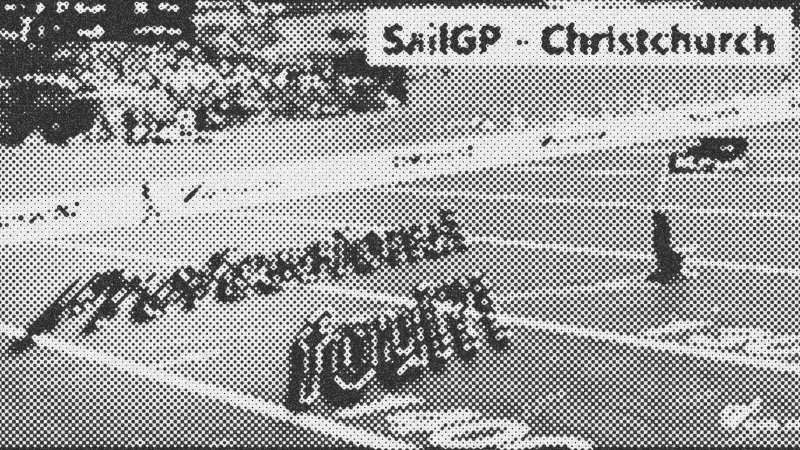
Robertson’s opening tactical move against Australia SailGP Team serves as a textbook example of leveraging course obstructions to force an opponent into a suboptimal line. By executing a calculated luff, Canada SailGP Team pushed the Australians just far enough that they could no longer make the left-hand mark in a single jibe. This didn't just delay the Australians; it forced them onto a starboard jibe that directly impeded Emirates Team New Zealand. This chain reaction allowed Phil Robertson to control the right side of the beat, effectively neutralizing two world-class competitors in one maneuver.
The Professional Foul as Strategy
Tom Slingsby demonstrated a ruthless approach to the boundary rules, utilizing what we call a professional foul to gain vertical distance on the course. By intentionally going out of bounds, Australia SailGP Team accepted a penalty to secure a better leyline, reducing a standard three-tack beat into a two-tack sprint. This highlights a growing trend in SailGP where elite helmsmen "game the system," calculating that the penalty cost is lower than the potential gain in VMG (Velocity Made Good).
Resilience Under Pressure
Despite a nearly 300-meter lead, Phil Robertson nearly surrendered the race with a botched jibe and a poor approach to the mid-course obstruction. However, his final winning move—a high-risk jibe near the boundary—secured a better wind gust and a direct line to the finish. This underscores the mental resilience required in team sports; Robertson stayed aggressive when Emirates Team New Zealand played the "textbook" game, proving that bold tactical risks often outweigh conservative technical execution in the final leg.
- Australia%20SailGP%20Team
- 14%· companies
- Canada%20SailGP%20Team
- 14%· companies
- Christchurch
- 14%· places
- Emirates%20Team%20New%20Zealand
- 14%· companies
- Phil%20Robertson
- 14%· people
- Other topics
- 29%
Christchurch SailGP: How The Regatta Was Won
WatchTHE FOIL // 7:14

The Foil is a new wave of racing media. We are a fresh, all-new, proudly independent digital media brand dedicated to the sport of sail racing. Our focus is centred around the major peaks of the international sport: SailGP, the America’s Cup and the Olympic Games, plus offshore classes and events, and the diverse wider world of sailing competitions that take place around the globe. Become a member now: https://www.youtube.com/@WeAreTheFoil/join