The Dual-Helm Dilemma: Analyzing Luna Rossa’s Tactical Friction
Navigating the Prada Cup Performance
Luna Rossa Prada Pirelli entered the Prada Cup with high expectations, yet their inaugural weekend left analysts questioning their true competitive ceiling. While they secured victories on paper, the execution felt unpolished and reactive. Winning isn't enough at this level; you must dominate. The team's performance suggests a gap between their high-end hardware and the psychological synchronicity required to win the America's Cup.
Light Air Mastery vs. The 35-Knot Wall
The AC75 setup for Luna Rossa Prada Pirelli excels in the margins. Their large foils and aggressive jib choice provided a clear advantage in light winds, allowing them to hunt pressure and maintain flight while American Magic struggled in displacement mode. However, a glaring technical deficit appears once speeds exceed 35 knots. Downwind, the boat hits a physical wall, failing to match the raw pace of INEOS Britannia. This speed ceiling limits their tactical options, forcing the crew into defensive maneuvers rather than aggressive attacks.
The Communication Breakdown
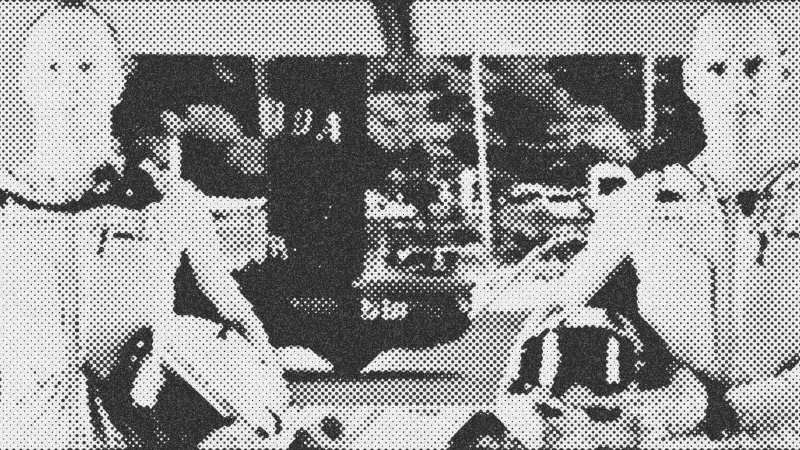
The most concerning element remains the dual-helm configuration. While Jimmy Spithill and Francesco Bruni are world-class athletes, their dialogue often lacks situational depth. During critical maneuvers, Francesco Bruni focused on redundant calls—like chasing a "hook" that wasn't there—rather than feeding Jimmy Spithill vital course data regarding ley lines and wind shifts. Compare this to the clinical, information-rich environment on the British boat, and the Italian struggle becomes a matter of sports psychology and leadership structure.
Final Verdict: Push the Envelope
Luna Rossa Prada Pirelli has the hull and the talent, but they are playing it too safe. To evolve, they must fix their race software issues and empower a third voice—potentially a grinder with tactical oversight—to provide objective data. Unless they resolve the communication friction between the helms and find more top-end speed, they will remain second-best to a more decisive British squad.
- Luna Rossa Prada Pirelli
- 23%· companies
- Francesco Bruni
- 15%· people
- Jimmy Spithill
- 15%· people
- AC75
- 8%· products
- America's Cup
- 8%· events
- Other topics
- 31%
TWO Helms, but no TACTICIAN? Luna Rossa Week 1 Report Card
WatchTHE FOIL // 13:56

The Foil is a new wave of racing media. We are a fresh, all-new, proudly independent digital media brand dedicated to the sport of sail racing. Our focus is centred around the major peaks of the international sport: SailGP, the America’s Cup and the Olympic Games, plus offshore classes and events, and the diverse wider world of sailing competitions that take place around the globe. Become a member now: https://www.youtube.com/@WeAreTheFoil/join