The Alchemy of Enterprise: Founding Dynamics, Class Friction, and Equity Structures
The Strategic Necessity of the Front Man
Market efficiency often fails brilliant builders who lack the extroverted hustle required to scale. However, the startup ecosystem does not necessarily filter out introverts; it simply demands a specific alchemy of talent. Historically, the most resilient tech giants rely on a dual-leadership model where a technical visionary pairs with a "front person" capable of pressing the flesh with Venture Capital and clients.
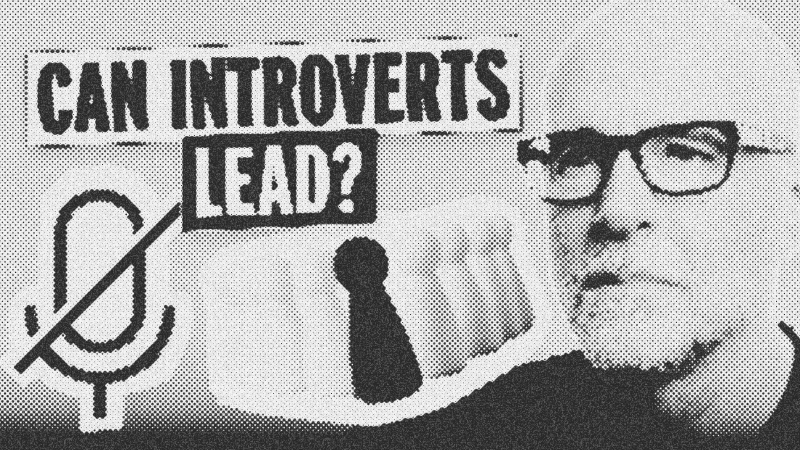
This partnership allows the builder to remain the "secret sauce" while the operator handles the energy-draining work of evangelism. Leveraging the greatness of others is a macro-strategy for growth. If you are an architect of Artificial Intelligence automation but recoil at the thought of a networking room, your primary objective is not to learn to sell, but to find the person for whom selling is breathing.
Navigating the Psychological Wealth Gap
Class differences within elite academic and professional circles create a "ghost" of unworthiness for those from low-income backgrounds. There is a fundamental disconnect between sympathy and empathy in the global wealth hierarchy. While affluent peers may offer well-meaning advice, they often lack the perspective of the systemic hurdles involved in building wealth from zero.
This friction frequently manifests as resentment or a perceived lack of self-esteem. Recognizing that this discomfort stems from a lived experience of income mobility is the first step toward grounding. The mission of institutions like Pace University contrasts sharply with legacy brands like Columbia University, highlighting the disparate starting lines in the race for capital.
Engineering True Ownership Through Equity
Traditional bonuses are mere performance metrics, but true ownership requires a structural stake in the enterprise's future. To turn employees into partners, founders should utilize stock options as a tax-efficient vehicle. By granting options rather than outright equity, companies avoid immediate taxable events for the recipient while aligning long-term incentives.
Implementing tools like Section 1202 for Qualified Small Business Stock can result in tax-free gains upon exit, provided the enterprise value remains under $50 million. Beyond the legal mechanics, a leader must communicate a clear vision for a liquidity event. When employees see a path to real economic value, they stop working to the test and start protecting the asset.
Conclusion
Building a legacy requires more than a viable product; it demands psychological resilience and structural foresight. Whether through strategic partnerships, therapy-led grounding, or sophisticated equity pools, the goal is the same: converting individual talent into collective market value.
- Artificial Intelligence
- 10%· technologies
- Chime
- 10%· organizations
- Columbia University
- 10%· organizations
- Ian Chaplain
- 10%· people
- 10%· organizations
- Other topics
- 50%
How Introverts Can Succeed in Business, Navigating Class Differences, and Employee Equity
WatchThe Prof G Pod – Scott Galloway // 15:36

NYU Professor, best-selling author, business leader and serial entrepreneur Scott Galloway cuts through the biggest stories in tech, business, and investing with unfiltered insights, bold predictions and thoughtful advice. Podcasts include Prof G Markets with co-host Ed Elson, Prof G Conversations and Office Hours with Prof G.