The Subscription Strike: Targeting Big Tech’s Economic Soft Tissue
The Power of the Purse in a Market-Driven Era
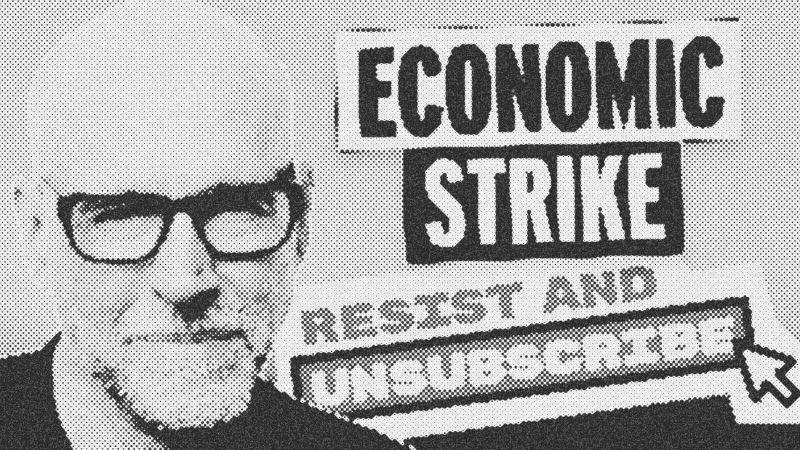
Conventional political activism often relies on outrage, yet in a global economy defined by the idolatry of the dollar, sentiment rarely shifts policy. The Resist and Unsubscribe movement posits that economic pressure is the only lever capable of commanding the attention of the executive branch. By moving beyond symbolic protests, consumers can signal their dissatisfaction through nonparticipation. This strategy recognizes that the S&P 500 and the NASDAQ have become the ultimate arbiters of a presidency's success.
Why Subscription Revenue is the Strategic Vulnerability
Traditional boycotts against retailers like Kroger often fail because their margins are thin and their market impact is diffused. In contrast, Big Tech firms are priced to perfection based on growth expectations. A small pebble of disruption in recurring revenue creates a tidal wave in market capitalization. Subscription dollars are worth significantly more than transactional spending because they represent predictable future cash flows. When these metrics falter, it triggers disclosable events that force Fortune 500 CEOs to contact the White House, creating a direct line of influence from the consumer to the President.
The Failure of Advertising Boycotts
While Meta derives the vast majority of its revenue from advertising, targeting CMOs and media directors is historically ineffective. Meta maintains a hyper-diverse ecosystem where no single advertiser controls more than 1% of the spend. Furthermore, digital advertising functions as a critical acquisition funnel; companies that pull back often suffer internally while their competitors continue to scale on platforms like Instagram or YouTube. Consumer-led unsubscription bypasses this corporate hesitation, hitting the "soft tissue" of the valuation directly.
Risks of Economic Politicization
Weaponizing consumer spending carries inherent risks, including the potential for counter-movements that further polarize the corporate landscape. There is also the danger of unintended consequences for employees. However, the current thesis suggests that Big Tech is more likely to blame AI for labor shifts than a short-term economic strike. For those seeking to influence Donald Trump, the market remains the only scoreboard that matters.
- Big Tech
- 14%· organizations
- Meta
- 14%· companies
- Alphabet
- 7%· companies
- Amazon
- 7%· companies
- Donald Trump
- 7%· people
- Other topics
- 50%
Why Scott Galloway Is Choosing to Resist and Unsubscribe | Office Hours
WatchThe Prof G Pod – Scott Galloway // 13:37

NYU Professor, best-selling author, business leader and serial entrepreneur Scott Galloway cuts through the biggest stories in tech, business, and investing with unfiltered insights, bold predictions and thoughtful advice. Podcasts include Prof G Markets with co-host Ed Elson, Prof G Conversations and Office Hours with Prof G.