The Casino Economy: Analyzing the Destructive Convergence of Speculation and Gambling
The Erosion of Productive Capital
Modern financial markets face a systemic threat from the blurring lines between legitimate investing and pure gambling. True investment functions as a mechanism for capital allocation, where participants provide liquidity to enterprises in exchange for future cash flows and growth. This relationship fosters economic expansion. Conversely, the rise of the casino economy prioritizes rapid turnover and high-leverage bets. When market participants treat equity or cryptocurrency assets as lottery tickets rather than fractional ownership in productive entities, the fundamental utility of the stock market as a wealth-building engine collapses.
The Silent Epidemic Among Young Males
The psychological profile of the modern speculator reveals a troubling demographic skew. Young men increasingly fall prey to high-risk digital assets, driven by social proof from platforms like Reddit. This digital isolation masks the severity of the crisis. Unlike physical substance abuse, a gambling addiction remains invisible until the damage is catastrophic. The ability to liquidate a family’s future—mortgages, college funds, and inheritances—from a smartphone creates a uniquely dangerous environment. This financial hemorrhage often leads to the highest suicide rates among all addictive behaviors, as the lack of physical symptoms prevents early intervention from social support networks.
The Fallacy of the Shitcoin Ecosystem
The cryptocurrency market, particularly the proliferation of altcoins, represents the peak of this speculative mania. Despite the technological promises of blockchain, the vast majority of tokens lack scarcity value or underlying cash flows. These assets operate on the 'Greater Fool' theory rather than fundamental analysis. By detaching wealth creation from discipline and labor, these systems erode the social contract. Success is falsely presented as a lucky screenshot rather than the result of sacrifice and professional showing. Reclaiming the connection between work, value creation, and financial reward is essential for stabilizing the domestic labor force and ensuring long-term fiscal health.
- cryptocurrency
- 22%· products
- altcoins
- 11%· products
- Ethereum
- 11%· products
- gambling
- 11%· behavioral economics
- investing
- 11%· behavioral economics
- Other topics
- 33%
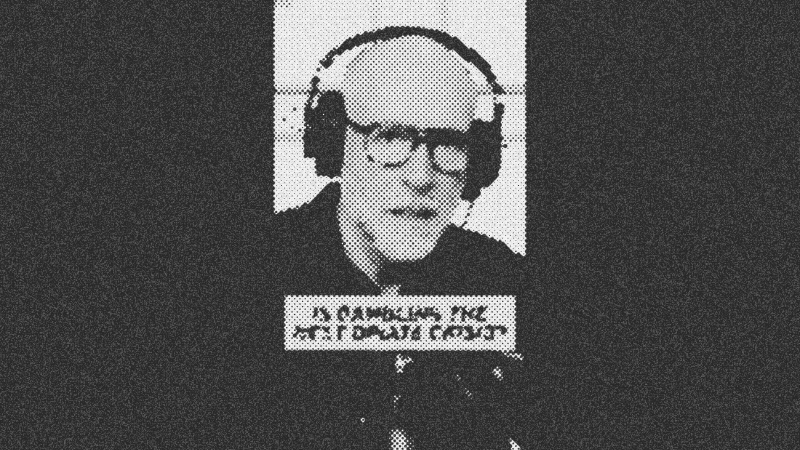
Is gambling the next opiate crisis? — Scott Galloway
WatchThe Prof G Pod – Scott Galloway // 1:29

NYU Professor, best-selling author, business leader and serial entrepreneur Scott Galloway cuts through the biggest stories in tech, business, and investing with unfiltered insights, bold predictions and thoughtful advice. Podcasts include Prof G Markets with co-host Ed Elson, Prof G Conversations and Office Hours with Prof G.