The Secular Breach: Religious Nationalism and Military Strategic Risk
The Erosion of Military Neutrality
The modern geopolitical landscape relies on the assumption of rational, state-driven military behavior. When reports surface that high-ranking US Military officials are framing active conflict in apocalyptic, religious terms, the baseline for global stability shifts. The infiltration of white Christian nationalist rhetoric into tactical briefings suggests a dangerous departure from secular objective-setting. This isn't merely a matter of personal belief; it is a systemic risk that threatens the chain of command and the predictability of superpower intervention.
Apocalyptic Ideology as Strategic Framework
The specific mention of the Rapture and the return of Jesus Christ as a justification for protecting Israel introduces an unpredictable variable into Middle Eastern policy. If military leadership views warfare as a prerequisite for biblical prophecy, the traditional metrics of deterrence and diplomacy become obsolete. The Iran War context amplifies this danger. Strategic objectives should focus on regional stability and energy security, not the facilitation of a theological endgame. Rational actors cannot negotiate with an adversary that views earthly destruction as a divine mandate.
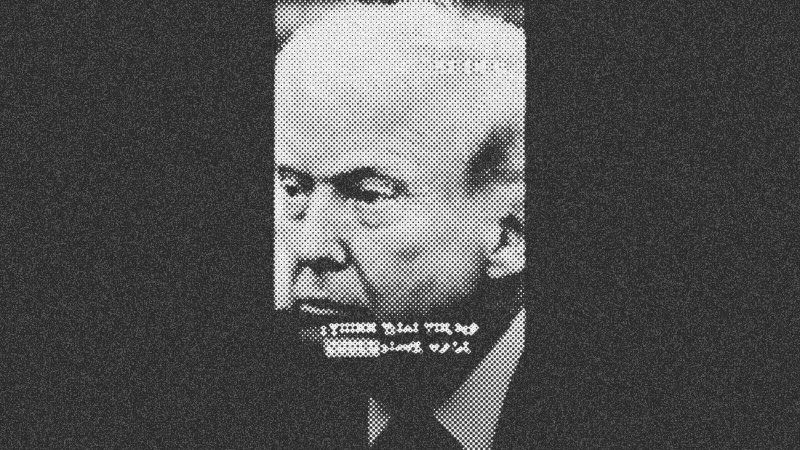
Leadership Competence and the Secretary of War
Effective military execution requires a leadership structure focused on clear, secular goals. Critics point to a perceived lack of competence within the current defense hierarchy, specifically targeting the Secretary of War for failing to maintain a professional distance from extremist ideologies. When the Donald Trump administration's actions are conflated with messianic figures, the military loses its identity as a mission-driven organization. This religious 'infection' compromises the ability to articulate why specific military actions serve the national interest rather than a sectarian one.
Global Market Implications of Religious Warfare
Markets thrive on predictability. The prospect of a US military guided by nationalist religious fervor creates an unquantifiable 'tail risk.' If global investors believe that the world's most powerful military is no longer tethered to secular logic, the risk premium on international trade and regional assets will skyrocket. Ensuring that religion does not infect the briefing room is not just a moral imperative; it is a prerequisite for maintaining the global economic order.
- Donald Trump
- 14%· people
- Iran War
- 14%· events
- Israel
- 14%· places
- Rapture
- 14%· concepts
- Scott Galloway
- 14%· people
- Other topics
- 29%
Scott Galloway on new fears in Iran war
WatchThe Prof G Pod – Scott Galloway // 1:03

NYU Professor, best-selling author, business leader and serial entrepreneur Scott Galloway cuts through the biggest stories in tech, business, and investing with unfiltered insights, bold predictions and thoughtful advice. Podcasts include Prof G Markets with co-host Ed Elson, Prof G Conversations and Office Hours with Prof G.