Capital, Connection, and Character: Navigating the Modern Identity Economy
The Resilience of the Academic Credential
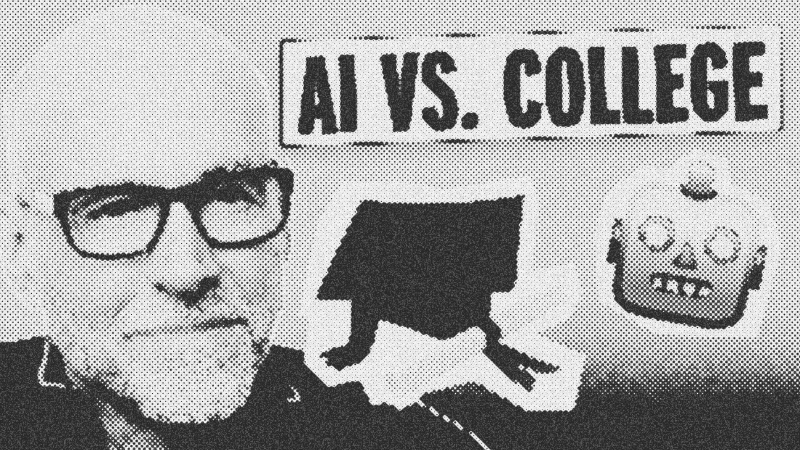
There is a prevailing narrative suggesting that AI has rendered the traditional university obsolete by making knowledge free. This is a fundamental misunderstanding of what a degree represents. In our global economy, Higher Education functions less as a knowledge transfer mechanism and more as a rigorous certification of human capital. We don't just educate; we certify that an individual can connect effort with success, navigate social hierarchies, and endure the "mental muscle damage" required to strengthen cognitive function. The market rewards this: bachelor's degree holders still earn roughly 66% more weekly than those with only a high school diploma. While the price of the "cartel" of elite schools is often predatory, the signaling value of a UCLA or Yale University degree remains the ultimate life compliment.
The Fragility of the Modern Male
When examining the socio-economic tracks of the next generation, a single point of failure emerges: the absence of male role models. Boys are physically robust but neurologically and emotionally more susceptible to household instability than girls. In the United States, which leads the world in single-parent homes, the stakes are staggering. A boy without a present father figure is statistically more likely to face incarceration than to reach a college podium. Success for these young men requires intentionality—roughhousing, guardrails, and witnessing respectful behavior toward women. The investment mothers make during the difficult, "brain-fogged" teenage years often feels unrequited, yet the long-term ROI is singular. These men almost always return to their mothers as the defining relationship of their lives.
Alignment in Long-Term Partnerships
Successful relationships require more than just physical attraction; they demand economic and values-based synchronization. While affection is the "table stakes," the primary driver of divorce is rarely a lack of chemistry—it is economic strain. Red flags often hide in plain sight: how a partner treats their parents, the caliber of their friend group, or how they speak about former flames. If a man disparages every ex-partner, he is either a poor judge of character or the toxic variable himself.
Actionable Practices for Growth
To navigate these shifts, prioritize three practices. First, if pursuing education, demand a "better value" rather than just a "high value" by choosing institutions where the debt won't be a lifelong anchor. Second, for those raising sons, ensure they observe men who are both strong and kind; character is caught, not taught. Finally, in partnerships, perform the "two-week travel test." If you can endure a constant shared orbit without resentment, you have found a viable co-pilot for the volatility of the modern world.
- AI
- 11%· products
- Dartmouth College
- 11%· organizations
- Goldman Sachs
- 11%· organizations
- Higher Education
- 11%· organizations
- Michelle Obama
- 11%· people
- Other topics
- 44%
What Does AI Mean For Higher Ed? | Office Hours
WatchThe Prof G Pod – Scott Galloway // 16:54

NYU Professor, best-selling author, business leader and serial entrepreneur Scott Galloway cuts through the biggest stories in tech, business, and investing with unfiltered insights, bold predictions and thoughtful advice. Podcasts include Prof G Markets with co-host Ed Elson, Prof G Conversations and Office Hours with Prof G.