Economic Non-Participation: The Efficacy of Market-Based Resistance
The Weaponization of Consumer Capital
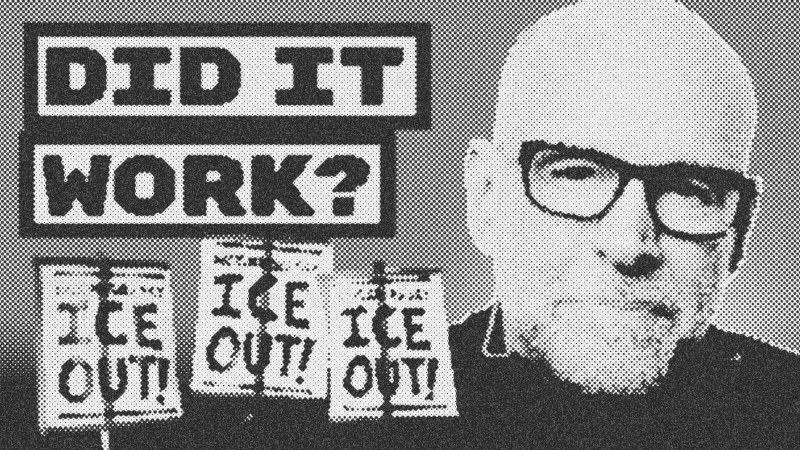
In a capitalist framework, the most potent form of protest is often the withdrawal of participation. The Resist and Unsubscribe movement recently tested this hypothesis, attempting to turn the subscription economy into a site of political leverage. By treating dollars as votes, the campaign sought to communicate a clear signal: consumer loyalty is conditional. This movement operated on two distinct fronts—signaling intent and shifting corporate incentives—with highly divergent results.
Quantifying the Signal
The signaling phase of the campaign achieved massive scale, generating over 23 million social media views and driving 2 million unique visits to its digital hub. Traditionally, capturing this level of market attention requires an estimated $4 million to $8 million in paid acquisition costs. The fact that Resist and Unsubscribe reached these milestones without spending a cent on marketing demonstrates a profound appetite for organized economic dissent. High-traffic platforms like NPR and niche media like the Bull Work podcast proved more effective than traditional outlets in funneling this organic interest.
The Boardroom Barrier
While the movement successfully permeated product management teams and digital discourse, it hit a ceiling at the executive level. Changing the underlying incentives for big tech CEOs remains a significant challenge. While the campaign sparked internal debate within firms, it failed to rewire the decision-making calculus in the boardroom. For Big Tech leadership, the perceived benefits of current political alignments still outweigh the localized friction caused by consumer churn. This underscores the difficulty of using market-based tactics to alter macro-level corporate behavior.
The Debt of Prosperity
The current economic climate, defined by record prosperity and historically low tax rates for high earners, creates a unique moral obligation. Scott Galloway suggests that individual success is rarely a solo achievement but rather the result of standing on the shoulders of previous generations who endured far darker periods. This historical perspective demands a question of modern consumers: are we worthy of the sacrifices that built the current infrastructure? True resistance requires more than just digital signals; it requires a willingness to confront the debt we owe to the collective stability of the nation.
- Resist and Unsubscribe
- 33%· products
- Big Tech
- 17%· companies
- Bull Work
- 17%· products
- NPR
- 17%· companies
- Scott Galloway
- 17%· people
Did Resist and Unsubscribe Work?
WatchThe Prof G Pod – Scott Galloway // 2:29

NYU Professor, best-selling author, business leader and serial entrepreneur Scott Galloway cuts through the biggest stories in tech, business, and investing with unfiltered insights, bold predictions and thoughtful advice. Podcasts include Prof G Markets with co-host Ed Elson, Prof G Conversations and Office Hours with Prof G.