The Dual Siege: China's 2026 Struggle with Geopolitical Retrenchment and Internal Vitality
The Collapse of the Proxy Buffer
Beijing finds itself at a historical crossroads as 2026 begins, grappling with a radical shift in the global order. For decades, the Chinese Communist Party meticulously cultivated an "axis of influence" by providing economic lifelines to regimes isolated by the West. This strategy, designed to undermine United States dominance without direct military confrontation, is now hitting a wall of kinetic reality. The removal of Nicolas Maduro in Venezuela and the escalating instability in Iran represent more than just the loss of two ideological allies; they signify a structural erosion of China's energy security and its strategy of "strategic depth" through distance.
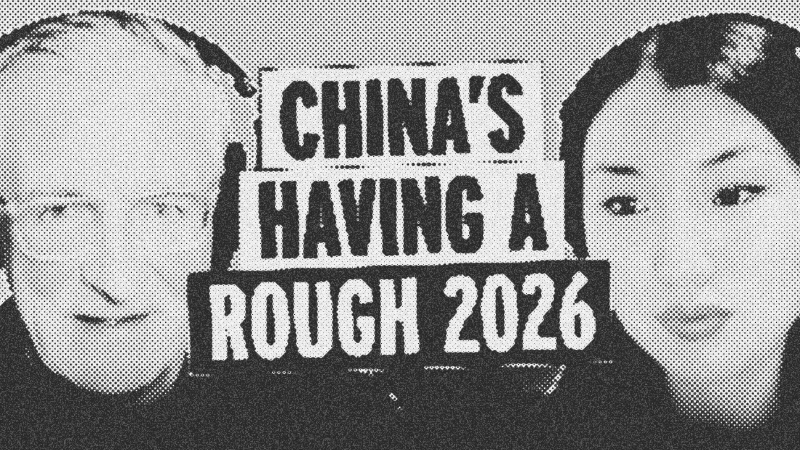
James Kynge and Alice Han characterize this period as an annus horribilis for Chinese foreign policy. The math is brutal. Between Venezuela and Iran, nearly 20% of China’s oil imports are now under direct threat or disruption. While the United States asserts a hardline Monroe Doctrine in Latin America, Beijing must decide whether to double down on failing states or pivot toward a more pragmatic engagement with the G7.
The Oil Debt Trap and Energy Realism
Underneath the geopolitical headlines lies a massive financial entanglement. China did not just buy oil; it bought influence through a complex web of loans-for-oil deals. As Michal Meidan points out, Venezuela served as a lynchpin for this model. When the United States military intervened to remove Maduro, it did not just change a regime; it effectively seized the collateral for billions in Chinese debt.
The Resilience of Shadow Markets
Despite the "lightning strike" of US intervention, China possesses significant experience in navigating sanctioned environments. The existence of the "dark fleet"—a sophisticated network of tankers and middlemen—allows oil to continue flowing even under extreme pressure. Furthermore, Beijing has built a massive strategic petroleum reserve, currently estimated at 120 days of forward cover. This cushion provides the State Council with the luxury of time, though it does not solve the long-term problem of high-risk assets in the US "backyard."
The Pivot to Electrification
The real response to energy insecurity is not just more tankers, but a radical acceleration of domestic energy independence. Beijing is pushing an electrification agenda that serves a dual purpose: meeting climate targets and insulating the economy from the volatility of Middle Eastern and Latin American energy corridors. By shifting the industrial base toward Renewables and Coal, China seeks to transform a logistical vulnerability into a domestic manufacturing advantage.
The Latin American Tentacles
Washington may celebrate the fall of Maduro, but the economic reality in South America tells a different story. The United States has been economically displaced in 10 out of 12 South American nations. China remains the primary trading partner for the region’s giants, controlling the infrastructure of the future: Lithium mines, Copper extraction, and 5G networks.
This is not a traditional military occupation but an institutional embedding. From the Beidou navigation system to space tracking stations, Chinese technology is the nervous system of modern Latin American governance. Removing this influence requires more than regime change in Caracas; it requires a competitive economic alternative that the United States has yet to fully mobilize.
Internal Fragility: The Obesity Crisis
While China fights for influence abroad, it faces a mounting health crisis at home that threatens its economic productivity. For the first time in history, more than half of Chinese adults are overweight. This shift from a skinny, agrarian society to a sedentary, urbanized one has happened with dizzying speed. The National Health Commission views this as a systemic threat to the Social Security Fund and the labor force.
The Rise of Fat Prisons
The cultural response to this crisis is uniquely Chinese: "Fat Prisons." These military-style boot camps, such as the one attended by TL Huang, offer weight loss through total institutional control. Participants pay upwards of $1,500 for a month of surveillance, restricted diets, and grueling exercise. This phenomenon reflects a broader societal belief that health is a matter of national discipline rather than personal choice.
The GLP-1 Commercial Frontier
Where the state sees a crisis, the market sees a goldmine. China is currently a primary theater for the GLP-1 revolution. With over 60 drug candidates in late-stage trials, Chinese pharmaceutical firms like Innovaent Biologics are preparing to flood the market with low-cost alternatives to Ozempic and Zepbound. This competition will likely trigger a global price war, potentially bringing the cost of these miracle drugs down from hundreds of dollars to a fraction of that price. Even the pet industry is being transformed, with Huadong Medicine seeking approvals for veterinary weight-loss injections for cats.
Strategic Recalibration for the NPC
The upcoming National People's Congress (NPC) in March will be the ultimate litmus test for Xi Jinping’s leadership. The party must reconcile its desire for global dominance with the reality of a more assertive United States under Donald Trump. If the "Axis of Ill" continues to crumble, we may see a tactical retreat toward mending relations with Europe and the G7 to preserve trade flows.
China is not a fading power, but it is a power that must now learn to operate in a world where its economic "tentacles" can be severed by kinetic force. Whether through the development of the Petro-Yuan to bypass the US Dollar or the massive domestic push for a "fitness boom," Beijing is preparing for a long, attritional struggle. The events of 2026 have stripped away the illusion of a smooth rise to hegemony, leaving behind a raw competition for resources, health, and regional control.
- China
- 26%· places
- United States
- 17%· places
- Venezuela
- 9%· places
- Iran
- 6%· places
- Alibaba Health
- 3%· companies
- Other topics
- 40%
Why 2026 is Already a NIGHTMARE for China | China Decode
WatchThe Prof G Pod – Scott Galloway // 47:10

NYU Professor, best-selling author, business leader and serial entrepreneur Scott Galloway cuts through the biggest stories in tech, business, and investing with unfiltered insights, bold predictions and thoughtful advice. Podcasts include Prof G Markets with co-host Ed Elson, Prof G Conversations and Office Hours with Prof G.