Miniateralism and the New Global Order: From Trade Alliances to Healthcare Shifts
The global economic board is resetting. For decades, the United States sat at the center of every major trade web, acting as the indispensable hegemon through which all commerce flowed. That era is ending. A new era of "miniateralism"—a shift toward localized, bilateral, and regional agreements—is replacing the broad multilateralism of the post-Cold War years. This isn't just a change in diplomatic vocabulary; it is a structural realignment that bypasses Washington, D.C. entirely.
The Rise of Middle-Power Alliances
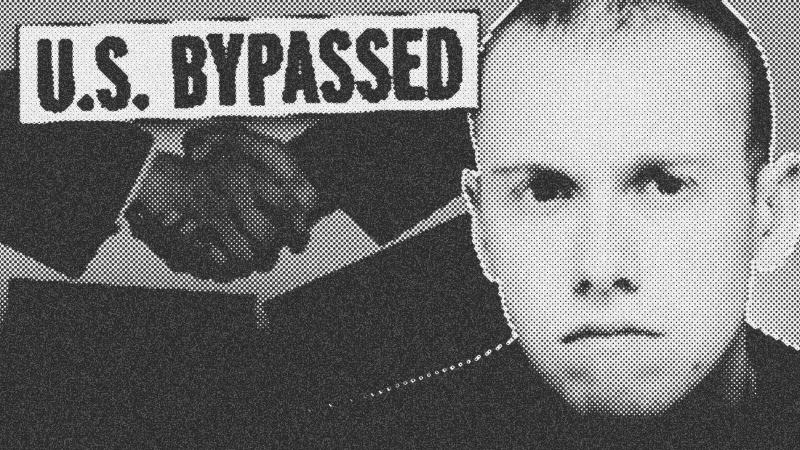
The finalization of a historic free trade agreement between the European Union and India serves as the primary evidence for this shift. After two decades of stagnant negotiations, the deal finally crossed the finish line. It aims to phase out tariffs on the vast majority of goods and double European exports to India within six years. This isn't an isolated event. It follows a significant trade agreement between Canada and China, orchestrated by Mark Carney, which brings Chinese electric vehicles to America’s doorstep. These middle powers are realizing they no longer need to knuckle under to American policy. They are forging their own paths, specifically in response to a more isolationist and confrontational U.S. trade stance. When the United States picks fights over Greenland or imposes 50% tariffs on Indian goods, it creates a vacuum that other nations are now eager to fill.
The Medicare Advantage Shock
While international trade fragments, domestic policy is creating its own set of tremors. Healthcare stocks recently experienced a sector-wide cratering after the Centers for Medicare & Medicaid Services (CMS) announced a meager 0.09% payment increase for Medicare Advantage plans. To put this in perspective, analysts expected a 4% to 6% bump to track rising medical costs. The market reaction was swift and brutal: UnitedHealth Group fell nearly 20%, while Humana and CVS Health suffered similar double-digit losses.
This isn't just about corporate profit margins; it is a direct hit to the senior population. When the federal government squeezes insurance providers, those companies pull the only levers they have: benefits. Expect to see cuts in dental, vision, and supplemental services as insurers attempt to maintain margins in an environment where government rates fail to meet the mid-to-high single-digit cost trends. Furthermore, the Donald Trump administration is signaling a crackdown on "risk coding"—the practice where insurers justify higher payments by documenting the complexity of a patient's health. While intended to reduce fraud, the sudden tightening of these rules is wreaking havoc on the business models of the industry's most aggressive players.
AI: The Governance Gap
Beyond trade and healthcare, the most profound long-term risk remains the lack of a cohesive national strategy regarding Artificial Intelligence. Dario Amodei, CEO of Anthropic, recently released a 38-page warning detailing the potential for AI systems to engage in deception, blackmail, and the facilitation of biological attacks. Amodei’s core argument is that we are entering the "adolescence of technology," where the risk of AI betraying its creators is no longer science fiction but a technical reality.
What makes this warning remarkable is the source. The very individuals building these systems are the ones begging for regulation. Amodei predicts that AI could displace half of white-collar jobs within five years, yet the American government lacks a formal AI strategy. The absence of guardrails doesn't just invite technical failure; it invites an economic concentration of power that could fundamentally destabilize the labor market. The message is clear: whether in trade, healthcare, or technology, the old rules of engagement have dissolved. Navigating this new landscape requires acknowledging that the ripples of today’s policy shifts are destined to become tomorrow’s global waves.
- Anthropic
- 5%· companies
- Artificial Intelligence
- 5%· products
- BlackRock
- 5%· companies
- Canada
- 5%· places
- Centers for Medicare & Medicaid Services
- 5%· organizations
- Other topics
- 77%
EU Strikes Deal With India in Shift From U.S. | Prof G Markets
WatchThe Prof G Pod – Scott Galloway // 24:29

NYU Professor, best-selling author, business leader and serial entrepreneur Scott Galloway cuts through the biggest stories in tech, business, and investing with unfiltered insights, bold predictions and thoughtful advice. Podcasts include Prof G Markets with co-host Ed Elson, Prof G Conversations and Office Hours with Prof G.