The Overconfidence Trap: Why Markets Fail to Price Geopolitical Conflict
The Arithmetic of Escalation
Financial markets frequently struggle with the non-linear nature of modern warfare. When the probability of a US intervention in Iraq shifted by a mere ten percent, equity markets responded with a disproportionate 1.5% drop. This suggests that the realization of a full-scale conflict would not merely create a minor correction, but could potentially erase 15% of total market value. Investors often treat geopolitical risk as a binary switch, yet the data suggests the market prices these events with a dangerous level of optimism until the first shot is fired.
The Forecasting Fallacy
Historical precedent proves that early strategic forecasts are essentially decorative. Donald Rumsfeld famously suggested that the Iraq War might last six weeks; it spanned over six years. This represent a forecasting error by a factor of 365. When analysts provide a 'best guess' on conflict duration, those timelines are rarely based on the logistical reality of insurgency or state-building. Instead, they reflect a psychological bias toward 'short, sharp, and easy' engagements that reality seldom honors.
Overconfidence as a Market Signal
War is fundamentally an inefficient path to a negotiated outcome. If two nations could foresee the eventual conclusion, they would logically skip the bloodshed and move directly to that settlement. The existence of war itself is proof that at least one party—and often both—is suffering from extreme overconfidence. For the US Stock Market, this overconfidence creates a pricing vacuum. Market participants must ask whether they are viewing the conflict through the lens of objective data or the distorted perspective of a combatant who believes victory is imminent.
Implications for Global Capital
As tensions rise regarding Iran, the lessons of Iraq remain painfully relevant. If historical error margins hold, a predicted six-month conflict could easily become a multi-decade drain on resources. Rational capital allocation requires multiplying standard Wall Street duration estimates by significant orders of magnitude to account for the inherent unpredictability of human conflict. Failure to do so leaves portfolios exposed to long-tail risks that the 'efficient' market consistently ignores.
- Iraq
- 25%· places
- Donald Rumsfeld
- 13%· people
- Iran
- 13%· places
- Iraq War
- 13%· events
- Justin Wolfers
- 13%· people
- Other topics
- 25%
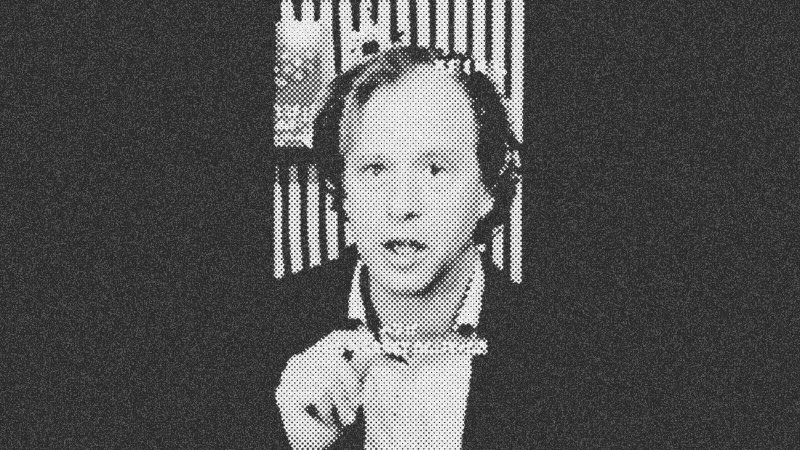
The Iran war will go on much longer than predictions suggest
WatchThe Prof G Pod – Scott Galloway // 1:19

NYU Professor, best-selling author, business leader and serial entrepreneur Scott Galloway cuts through the biggest stories in tech, business, and investing with unfiltered insights, bold predictions and thoughtful advice. Podcasts include Prof G Markets with co-host Ed Elson, Prof G Conversations and Office Hours with Prof G.