The Next Economic Frontiers: Vertical AI Dominance and the Oral GLP-1 Revolution
The Shift from Chatbots to Physical AI Integration
The technological landscape is undergoing a critical transition as the focus moves from digital-only generative tools to "physical AI." Nvidia is at the center of this shift, using the CES stage to signal that the "ChatGPT moment" for robotics and autonomous systems has arrived. By putting its Reuben_chip architecture into full production and partnering with Mercedes-Benz for vehicle integration, Nvidia is moving beyond the data center and into the driveway. This evolution represents a strategic pivot where chips are no longer just processing text and images but are managing real-world physics and complex autonomy.
The Data Flywheel and Vertical Specialization
Nvidia’s foray into autonomous vehicles and robotics is less about competing directly with Tesla for market share and more about securing a proprietary data flywheel. By open-sourcing underlying models and adopting an "Android-style" approach for cars, Nvidia gains access to vast streams of real-world data. This intelligence feeds back into their core business, informing the design of future specialized silicon. They are sacrificing vertical dominance in cars to ensure their hardware remains the indispensable backbone of all physical AI applications.
The Rise of the Reverse Aqua-Hire
A new M&A trend is emerging in the AI sector: the reverse aqua-hire. The recent Nvidia acquisition of Grock talent—while leaving the corporate shell intact—highlights a desperate race for specialized human capital. Jensen Huang targeted Jonathan Ross not for his company’s balance sheet, but for his expertise in AI inference.
Solving the Inference Latency Problem
While GPUs dominate the training phase of AI, the industry is hitting a wall with inference—the act of running those models in real-time. Startups have been outperforming legacy hardware in speed and efficiency during this phase. By absorbing the minds behind the TPU and the Grock chip, Nvidia is attempting to eliminate its one structural weakness before inference workloads explode across millions of consumer devices and wearables.
Democratizing Metabolic Health: The Oral GLP-1 Pivot
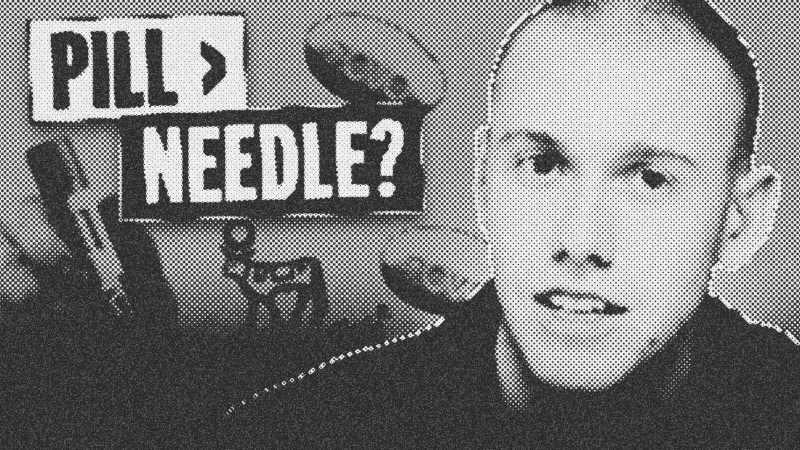
Novo Nordisk has fundamentally altered the competitive landscape of the obesity market by launching an oral Wegovy pill. This move addresses the primary psychological barrier to adoption: needle phobia. With roughly 63% of adults experiencing some level of needle anxiety, the transition from an injectable to a daily pill expands the addressable market from the clinically obese to the broader wellness-seeking population.
Pricing Strategy as a Market Disruption
The pricing of the Wegovy pill—ranging from $149 to $299 per month—represents a aggressive play for the out-of-pocket consumer. This is a fraction of the cost of current injectables and positions the drug as a direct competitor to high-end gym memberships and luxury wellness programs. By lowering the financial and physical barriers to entry, Novo Nordisk is betting on massive volume to offset lower margins per unit.
Competitive Chasm in Healthcare Equities
The valuation gap between Novo Nordisk and Eli Lilly has become a defining feature of healthcare markets. While Eli Lilly has enjoyed a trillion-dollar market cap premium, Novo Nordisk has traded at multi-year lows despite holding a dominant position in the oral market. This chasm suggests that the market may have underpriced the potential of the pill. If Novo can capture the 40% of the U.S. population currently living with obesity through a non-invasive, low-cost daily treatment, the current valuation gap will likely compress as the story shifts from niche medical treatment to a mass-market consumer staple.
- Novo Nordisk
- 9%· companies
- Nvidia
- 9%· companies
- Wegovy
- 9%· products
- Alex Heath
- 5%· people
- Alex Karp
- 5%· people
- Other topics
- 64%
Can a GLP-1 Pill Revive Novo Nordisk? | Prof G Markets
WatchThe Prof G Pod – Scott Galloway // 26:57

NYU Professor, best-selling author, business leader and serial entrepreneur Scott Galloway cuts through the biggest stories in tech, business, and investing with unfiltered insights, bold predictions and thoughtful advice. Podcasts include Prof G Markets with co-host Ed Elson, Prof G Conversations and Office Hours with Prof G.