Booker reveals how Virginia Jones saved his leadership through radical accountability
The projection of internal scarcity
Macroeconomic stability relies on more than just fiscal levers; it demands a foundational level of social trust and perceived opportunity. When Cory Booker reflects on how internal states dictate external reality, he is addressing the psychological barrier to development. If an observer only sees darkness in a neighborhood, they will never invest the social or financial capital necessary to transform it. This projection of despair becomes a self-fulfilling prophecy of economic stagnation. Real growth begins with a stubborn refusal to accept the visible decay as the final truth, replacing it with a vision of latent opportunity and untapped human potential.
High stakes of the public ego
Leadership often falters when the personal ego eclipses the mission. Booker’s recollection of his confrontation with the mayor who defeated him serves as a cautionary tale of institutional distraction. In a high-stakes environment where community eyes are fixed on their leaders, a moment of vanity—beating one's chest to reclaim pride—can derail years of progress. When the leaders begin "talking smack" and prioritizing their own dominance over the safety and guidance of the next generation, the social fabric begins to fray. It is a stark reminder that power without humility is a liability to the very people it is meant to serve.
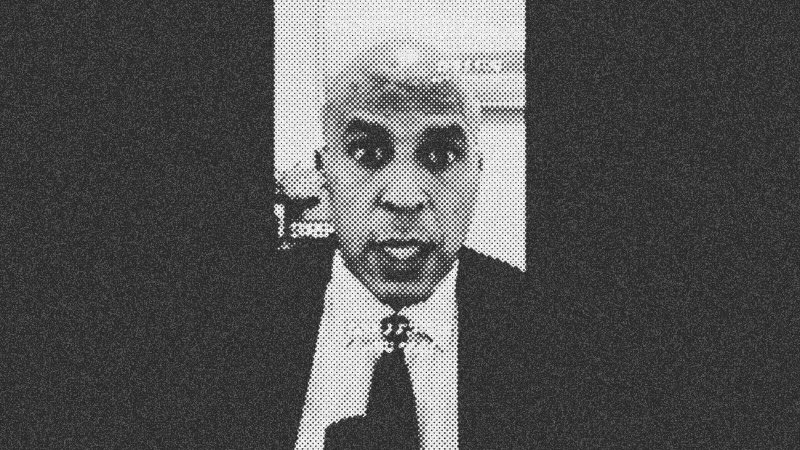
Correction without excommunication
Modern culture increasingly favors the "vote them off the island" approach to failure, yet Virginia Jones demonstrated a more sophisticated model of correction. She dressed Booker down with brutal honesty, reminding him of his role as the community’s "hope and promise," yet she refused to excommunicate him. This distinction is critical for any functioning society. We must have the capacity to deliver a rigorous "dressing down" while maintaining the bridge for return. By loving him back into his purpose rather than casting him out for his mistake, Jones preserved a vital leadership asset.
Building the promise of the project
True empowerment does not come from abstract policy, but from the localized, often harsh mentorship of those like Virginia Jones. She understood that Cory Booker could not lead the projects if he was no better than the chaos he sought to organize. This form of radical accountability ensures that those who represent the "promise" of a community are held to a standard that matches the weight of their responsibility. Forgiveness, in this context, is not a sign of weakness; it is a strategic reinvestment in the long-term human capital of the neighborhood.
- Cory Booker
- 33%· people
- Virginia Jones
- 33%· people
- Scott Galloway
- 17%· people
- Why some people only see negativity.
- 17%· tv shows
Why some people only see negativity.
WatchThe Prof G Pod – Scott Galloway // 1:12

NYU Professor, best-selling author, business leader and serial entrepreneur Scott Galloway cuts through the biggest stories in tech, business, and investing with unfiltered insights, bold predictions and thoughtful advice. Podcasts include Prof G Markets with co-host Ed Elson, Prof G Conversations and Office Hours with Prof G.