The Psychology of Financial Failure: Why Modern Consumers Stay Broke
The Ostrich Effect and Interest Blindness
Financial ruin rarely happens overnight; it stems from a calculated avoidance of reality. Caleb Hammer identifies a pervasive "head in the sand" mentality where individuals refuse to engage with their debt because the numbers incite terror. This avoidance creates a massive disconnect regarding interest rates. Many consumers believe they are paying manageable rates while actually drowning in 30% APR credit cards. This ignorance isn't just a lack of education; it is a defensive psychological mechanism that prevents the very intervention required to save a household from bankruptcy.
The Entitlement Trap and Micro-Transaction Decay
A toxic sense of entitlement often dictates modern spending habits. Consumers frequently justify luxury purchases or "sweet treats" as rewards for surviving a difficult workday or academic stress. This "I deserve this" mindset ignores the math of compounding debt. While a single Spotify subscription or a morning coffee seems negligible, these small leaks sink the ship. The issue isn't the $11 price tag; it’s the lack of discipline and the refusal to sacrifice minor comforts even when eviction looms. If you are paying interest on a subscription, you aren't just buying music; you are financing a lifestyle you cannot afford.
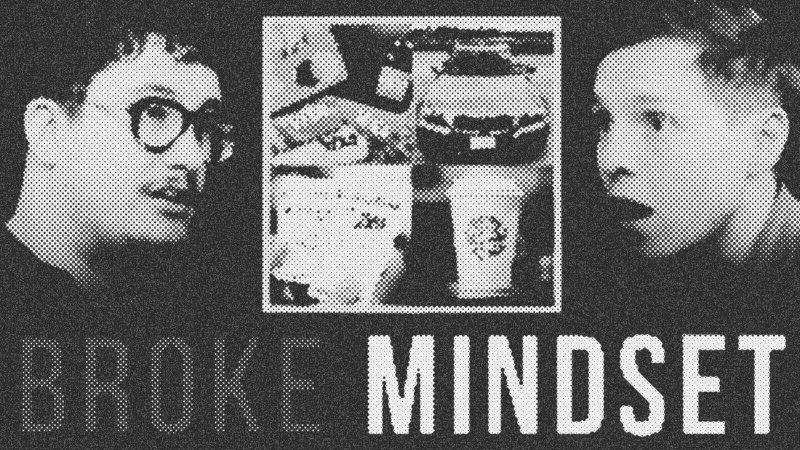
Predatory Lifestyle Inflation: Trucks and Luxury Debt
The most aggressive wealth-killers remain high-interest car loans. Hammer highlights the absurdity of individuals taking 84-month or even 140-month loans on depreciating assets like Ford F-150 or used exotics. These long-term contracts ensure the borrower stays underwater for the life of the vehicle. When consumers prioritize the image of success over the reality of their balance sheet, they trade their future retirement for a monthly payment they can barely service.
Breaking the Cycle of Personal Responsibility
True financial recovery requires a brutal confrontation with the data. Hammer notes that it takes approximately 45 minutes of intense psychological "chipping away" before guests on Financial Audit finally accept the gravity of their situation. This breakthrough only occurs when the individual stops blaming external factors and acknowledges their personal agency. Sacrifice is a temporary requirement for long-term stability, but most people choose perpetual struggle over a single year of disciplined frugality.
- Caleb Hammer
- 10%· people
- car loans
- 10%· products
- credit cards
- 10%· products
- Fabric
- 10%· companies
- Financial Audit
- 10%· tv shows
- Other topics
- 50%
Why MOST People Can’t Stop Being Broke | Caleb Hammer
WatchThe Iced Coffee Hour Clips // 13:48

Official Clips Channel of the Iced Coffee Hour Podcast. All of the Iced Coffee Hour Clips are posted here for your enjoyment! Podcast hosted by Graham Stephan and Jack Selby. Jack Selby: https://www.instagram.com/jlsselby/ Graham Stephan: https://www.instagram.com/gpstephan/