The Brutal Psychology of Financial Stagnation
Past Performance Predicts Financial Resilience
Success in the financial market rarely begins with a spreadsheet. It starts with a history of grit. When Caleb Hammer analyzes a founder or an individual’s potential to pivot, he looks for scars. He searches for stories of extreme weight loss, grueling degree completions, or overcoming homelessness. These are not just anecdotes; they are evidence of the capacity to endure discomfort. If you can't lock down and grind through a non-financial struggle, you won't have the stomach to survive a high-stakes budget overhaul.
The Trap of Perpetual Deflection
Visionaries move; amateurs talk. The strongest indicator of impending failure is the deflection game. Statements like "I'm going to change that" are worthless without a track record of action. When bank statements show reckless spending while the individual promises future reform, the credibility gap widens. You cannot build a future on intentions if your past has zero examples of a successful turnaround. Action is the only currency that matters.
Explosive Liabilities and Ego Purchases
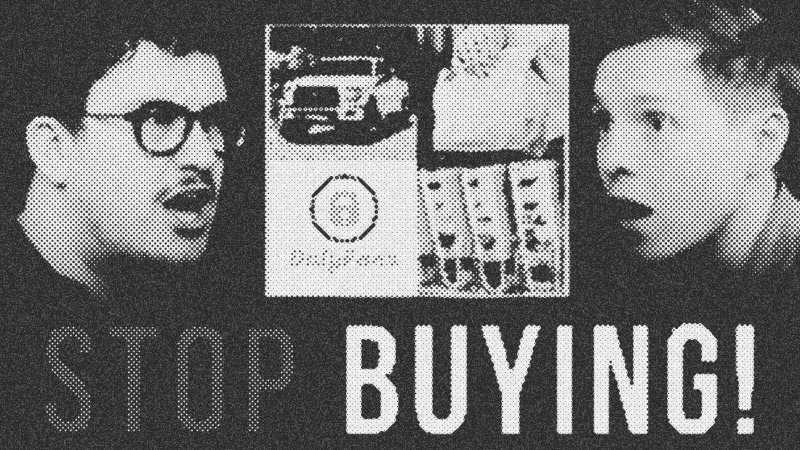
Broke individuals often prioritize the appearance of success over the mechanics of wealth. The "Texas Ranch Ranger" truck with a $2,000 monthly payment is a financial death sentence for someone earning $5,000 a month. This isn't just a bad deal; it is a 35% tax on your potential. Whether it is Dodge Charger or OnlyFans subscriptions, people are bleeding capital on assets that depreciate or provide zero ROI. These insane purchases are symptoms of a deeper lack of discipline.
Death by Micro Purchases
It isn't just the big ticket items that kill dreams; it is the death by a thousand cuts. The $5 energy drink or the $12 McDonald's run seems trivial in isolation. However, when these are funded by credit cards with 35% interest or through debt-cycling tools like Klarna, they stack into a mountain of high-interest liability. This is behavior-driven poverty. No amount of extra income will fix a leaky bucket; you must change the fundamental behavior before you try to scale the earnings.
- Caleb Hammer
- 11%· people
- Churchill Mortgage
- 11%· companies
- Dave Ramsey
- 11%· people
- Dodge Challenger
- 11%· products
- Dodge Charger
- 11%· products
- Other topics
- 44%
Why Average People Stay Poor (It’s This…) | Caleb Hammer
WatchThe Iced Coffee Hour Clips // 8:18

Official Clips Channel of the Iced Coffee Hour Podcast. All of the Iced Coffee Hour Clips are posted here for your enjoyment! Podcast hosted by Graham Stephan and Jack Selby. Jack Selby: https://www.instagram.com/jlsselby/ Graham Stephan: https://www.instagram.com/gpstephan/